Can Dogs Cough? Causes, Signs, and When to Worry
Can Dogs Cough? Causes, Signs, and When to Worry
If you have ever caught your dog hacking, gagging, or making a sound that resembles a human cough, you may have wondered, "Can dogs cough?" The answer is yes—dogs can and do cough, and just like in people, a cough can range from a mild, temporary irritation to a sign of something more serious. At Sandbridge Veterinary Care, we understand that hearing your dog cough can be concerning, especially when you are not sure what is causing it or when it warrants a visit to your veterinarian. In this blog, our veterinary team in St. Augustine will help you understand why dogs cough, what signs to watch for, and how to know when your dog’s cough is something that needs prompt attention. We will cover common causes, what you can do at home, and when professional care is necessary, including how our comprehensive services can support your dog’s health.
Whether you live right here in St. Augustine or in nearby communities, our team is committed to helping you keep your dog healthy and comfortable. If you are worried about a cough or any other health concern, you can always reach out to Sandbridge Veterinary Care at 230 Sandy Creek Parkway, St. Augustine, FL 32095 for guidance and compassionate support.
Can Dogs Cough? Recognizing the Signs and When to Be Concerned
Dogs absolutely can cough, and in many cases, the occasional cough is harmless. However, a persistent, severe, or unusual cough can signal underlying problems that deserve attention. Coughing in dogs may sound different from what you expect; it can be a dry, hacking sound, a moist and productive cough, or even a honking noise. The signs that your dog’s cough needs more than just home monitoring include coughing that lasts for more than a few days, coughing that interferes with eating or sleeping, coughing up blood or foam, or coughing accompanied by other symptoms such as labored breathing, lethargy, or a bluish tint to the gums. If your dog’s cough is sudden and severe or is associated with choking, immediate veterinary attention is essential.
Understanding exactly what your dog’s cough sounds like, how often it occurs, and whether it is associated with other changes in behavior or energy can help your veterinarian determine the cause. In some cases, diagnostic tools such as digital radiology or pet diagnostic laboratory testing may be recommended to get a clearer picture of what is going on.
Why Do Dogs Cough? Common Causes in St. Augustine
There are a variety of reasons why dogs cough, ranging from minor irritations to serious medical conditions. In St. Augustine, our warm, humid climate and the active lifestyle many dogs enjoy can influence the likelihood and causes of coughing. Some of the most common causes include infections, allergies, airway irritations, and problems within the heart or lungs.
Kennel cough, also known as canine infectious tracheobronchitis, is a frequent culprit, especially in dogs who spend time at boarding facilities, dog parks, or daycare. This highly contagious but often mild respiratory disease causes a dry, hacking cough that may sound like your dog is trying to clear their throat. Other infectious causes include canine influenza and, less commonly, pneumonia, which can make a cough more severe and productive.
Allergies are another common cause, especially during certain seasons when pollen, mold, or other environmental triggers are present. Allergic coughs tend to be chronic and may be accompanied by sneezing, watery eyes, or itching. Airway irritations from inhaled dust, smoke, or even strong cleaning products can also lead to coughing.
More serious causes involve problems with the heart, such as congestive heart failure, which may result in a moist cough and difficulty breathing. Conditions like laryngeal paralysis can also cause coughing or a change in your dog’s bark, and they may require specialized surgical intervention. Foreign objects stuck in the throat, collapsing trachea (particularly in small breeds), and even some cancers can also be to blame.
How Coughing Is Diagnosed and Treated by Your Veterinarian
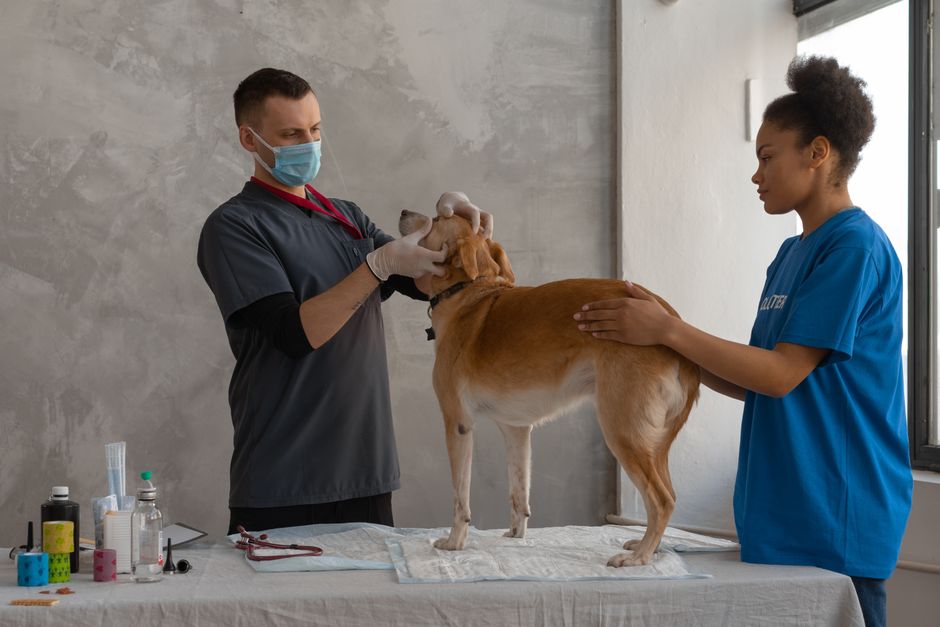
When you bring your dog to Sandbridge Veterinary Care for a cough, our veterinarians begin by gathering a thorough history and performing a detailed physical examination. We will ask questions about when the cough started, how it sounds, whether it is dry or wet, and if there are any other symptoms.
Depending on the findings, our diagnostic approach may include in-house laboratory testing to check for infections or evidence of inflammation. Our pet diagnostic laboratory allows for rapid results, which can be critical if your dog is uncomfortable or unwell. Chest X-rays using digital radiology are often used to look for signs of pneumonia, heart enlargement, or airway abnormalities. In more complex cases, advanced imaging such as vet ultrasounds can provide additional information about the heart and lungs.
Treatment depends entirely on the underlying cause. For kennel cough or mild respiratory infections, supportive care and sometimes cough suppressants may be recommended. Infections caused by bacteria may require antibiotics, while viral infections are often managed with rest and monitoring. If allergies are suspected, your veterinarian may recommend environmental changes, antihistamines, or other medications to provide relief. Heart disease is treated with medications to support cardiac function, and airway obstructions or laryngeal paralysis may require surgical solutions available at our practice. In every case, your veterinarian will tailor the treatment plan to your dog’s specific needs and keep you informed at every step.
Home Care and Prevention: Keeping Your Dog’s Airways Healthy
While some causes of coughing are unpredictable, there are steps you can take at home to reduce your dog’s risk and support their recovery. Keeping your home free of smoke, dust, and harsh chemicals can help sensitive dogs breathe easier. Regularly cleaning your dog’s bedding, toys, and living areas reduces exposure to allergens and infectious agents. If your dog attends daycare or boarding, ensure that the facility has good ventilation and requires up-to-date vaccinations for all attendees.
Vaccination is a crucial part of preventing many infectious respiratory diseases. At Sandbridge Veterinary Care, we recommend regular vaccinations and examinations as part of your dog’s preventive care program. These visits allow our veterinary team to assess your dog’s overall health, update necessary vaccines such as Bordetella and canine influenza, and catch potential problems early.
If your dog already has a mild cough, providing a quiet, comfortable space for rest and ensuring they stay hydrated can help with recovery. Avoid using collars that put pressure on the throat—opt for a harness during walks until the cough resolves. However, always consult your veterinarian before giving any over-the-counter cough remedies, as some medications safe for people can be dangerous for dogs.
When to Call the Vet: Signs Your Dog’s Cough Needs Attention
Knowing when a dog’s cough is a minor nuisance and when it is a sign of something serious can be challenging. You should schedule an appointment with our team if your dog’s cough lasts more than a few days, seems to be getting worse, or is accompanied by other symptoms such as poor appetite, lethargy, fever, or difficulty breathing. Coughing up blood, foam, or any abnormal discharge should prompt an immediate call to your veterinarian.
Certain breeds, especially small or toy breeds, may be more prone to airway issues like collapsing trachea, so take note of any changes in their breathing patterns. Puppies, senior dogs, or those with pre-existing medical conditions should be monitored closely, as they can become more seriously ill in a short period of time.
If your dog appears to be choking, cannot catch their breath, or collapses, seek emergency care right away. Our veterinary team is here to help you determine the best next steps and to provide the care your dog needs, whether that means scheduling a same-day appointment or guiding you to emergency services.
What to Expect During a Veterinary Visit for a Coughing Dog
When you bring your dog to Sandbridge Veterinary Care for a cough, you can expect a thorough evaluation by our experienced veterinary professionals. The visit will begin with a discussion of your dog’s symptoms and a detailed physical examination. Depending on the findings, our veterinarians may recommend diagnostic tests such as bloodwork, chest X-rays, or an ultrasound to pinpoint the cause of the cough.
We will keep you informed throughout the process, explain our findings, and work with you to create a treatment plan that addresses both your dog’s needs and your concerns. Our full range of services in St. Augustine means that most diagnostic and treatment options can be completed right here, from laboratory testing to surgical interventions when needed.
Keeping Your Furry Friend Healthy: Final Thoughts and Next Steps
Coughing in dogs is common, but it is not something you should ignore—especially when the cough is persistent, severe, or associated with other symptoms. By understanding the answer to "can dogs cough," you are better equipped to recognize when a cough is harmless and when it may signal a need for veterinary attention. At Sandbridge Veterinary Care in St. Augustine, we are committed to providing compassionate, comprehensive care to help your dog breathe easy and stay healthy year-round.
If you are searching for a "vet near me" because your dog is coughing or you have concerns about their respiratory health, our veterinary team is ready to help. Schedule an appointment by calling (904) 901-4030 or visit us at 230 Sandy Creek Parkway, St. Augustine, FL 32095. You can also learn more about our digital radiology services and pet diagnostic laboratory testing to see how we can support your dog’s health. Your dog’s wellbeing is always our top priority—let us be your trusted partner in keeping your furry friend happy and healthy.
Disclaimer: This blog is intended for informational purposes only and should not be used as a substitute for professional veterinary advice, diagnosis, or treatment. If you have any concerns about your dog’s health, please contact your veterinarian promptly.