Common Dog Skin Problems: Causes, Symptoms, and Solutions
Common Dog Skin Problems: Causes, Symptoms, and Solutions
If you’re a dog owner in the St. Augustine area, there’s a good chance you’ve worried about your dog’s itchy, red, or irritated skin at some point. Common dog skin problems can quickly transform your happy companion into a restless, uncomfortable pet, and it’s not always easy to know what’s causing the discomfort or how serious it might be. At Sandbridge Veterinary Care, our veterinary team understands how concerning these issues can be for pet owners. In this guide, we’ll discuss the most frequent dog skin problems seen in St. Augustine and surrounding communities, explore their causes and symptoms, and explain what treatment options are available. We’ll also share practical tips for preventing skin issues at home and help you recognize when it’s time to schedule an appointment with our veterinarians at 230 Sandy Creek Parkway, St. Augustine, FL 32095. Whether you’re facing allergies, parasites, or something more serious, our goal is to help your dog achieve and maintain healthy skin.
How to Recognize Common Dog Skin Problems
Dog skin problems often reveal themselves through changes in your pet’s appearance or behavior. Recognizing these signs early can make a significant difference in your dog’s comfort and the success of treatment. The most common symptoms of skin issues in dogs include persistent scratching, licking, or chewing at certain areas; you might also notice red or inflamed patches, hair loss, scabs, or sores. Some dogs develop dry, flaky skin, while others may show signs of a greasy or foul-smelling coat. Ear infections or head shaking can also be linked to underlying skin conditions, especially when allergies are involved. In humid regions like St. Augustine, skin infections and parasite problems can develop rapidly, so it’s important not to dismiss these symptoms as “just normal dog behavior.” If you notice these signs continuing for more than a few days or worsening, it’s time to look closer at what might be causing your dog’s discomfort.
Understanding the Causes of Dog Skin Issues
There are several reasons why dogs develop skin problems, and identifying the underlying cause is key to effective treatment. Allergies are among the most common culprits, with dogs reacting to environmental triggers such as pollen, grasses, and molds, or to food ingredients and even flea bites. In Florida’s warm, humid climate, fleas and other parasites thrive year-round, making flea allergy dermatitis a frequent diagnosis. Other dogs may struggle with bacterial or yeast infections, often secondary to scratching or underlying allergies. Skin problems can also result from hormonal imbalances, autoimmune diseases, or genetic conditions like atopic dermatitis, which is especially common in certain breeds. Environmental factors play a big role as well; dogs who swim frequently or spend time outdoors are at higher risk for hot spots and skin infections. Understanding these causes is essential, and our team often recommends allergy testing or laboratory diagnostics to get to the root of stubborn skin issues.
How Allergies Affect Dogs in St. Augustine
Allergic skin disease is particularly common in our area due to the abundance of environmental allergens. Many dogs show seasonal flare-ups in spring or fall, while others have year-round symptoms. Allergy symptoms include itchy skin, ear infections, face rubbing, and frequent paw licking. Dogs with food allergies may have both skin and digestive issues. Because allergies are complex and can mimic other conditions, our veterinarians may recommend a combination of dietary changes, environmental controls, and targeted medications to keep your pet comfortable.
Treatment Options for Common Dog Skin Problems
The treatment for dog skin problems depends on the underlying cause, and a thorough veterinary examination is essential to determine the best approach. For allergic skin disease, therapies may include prescription medications to control itching, medicated shampoos, and long-term allergy management plans. Dogs with flea allergies require strict flea prevention and may benefit from oral or topical medications to eliminate parasites. Bacterial and yeast infections are treated with appropriate antibiotics or antifungal medications, while hot spots may need to be cleaned and treated with topical therapies. In some cases, advanced treatment options like veterinary dermatology services are recommended for complex or recurring skin problems.
When a diagnosis isn’t immediately clear, or if your dog’s skin issues aren’t responding to initial therapy, our veterinarians may suggest laboratory testing through our in-house diagnostic laboratory. This allows us to quickly evaluate for underlying conditions such as hormone imbalances or immune disorders. Rarely, skin lesions or growths may require specialized procedures, including cryotherapy or biopsy, to ensure an accurate diagnosis and appropriate care.
What to Expect During a Veterinary Visit
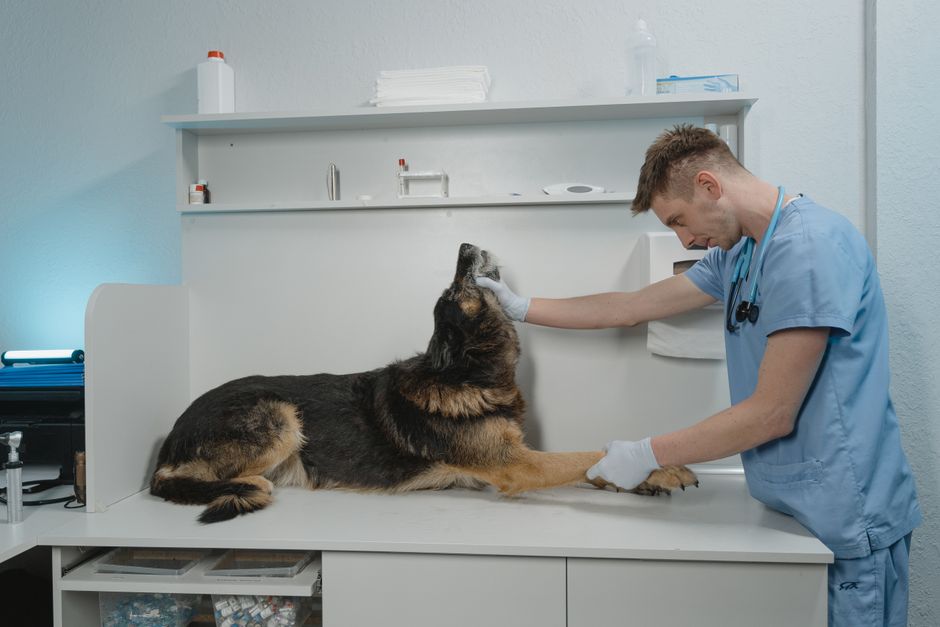
When you bring your dog to Sandbridge Veterinary Care for a skin problem, our team will start with a detailed history and physical examination. We may collect skin samples or perform allergy testing, depending on your pet’s symptoms and medical history. With our advanced diagnostic tools and compassionate approach, we’ll work with you to create a treatment plan tailored to your dog’s specific needs.
Home Care and Prevention Tips for Healthy Skin
While some skin conditions require professional intervention, there are many steps you can take at home to support your dog’s skin health. Regular bathing with a veterinarian-recommended shampoo can help keep skin clean and reduce allergens. Consistent flea and tick prevention is essential in St. Augustine’s climate, as parasites are a leading cause of skin irritation. Feeding a high-quality diet and providing clean, fresh water every day also support overall skin and coat health. Keep your dog’s bedding and living areas clean, and try to minimize exposure to known allergens if your pet is prone to allergies. For dogs with chronic or seasonal skin problems, regular wellness examinations and preventive veterinary care are the best way to identify issues early and keep symptoms under control.
When to Seek Veterinary Care for Your Dog’s Skin
Some skin issues can be managed at home, but others require prompt veterinary attention to prevent complications. You should schedule an appointment if your dog’s itching or discomfort lasts more than a few days, if you notice sores, raw spots, or sudden hair loss, or if your pet is chewing or licking so much that the skin is damaged. Ear infections, swelling, or discharge from wounds are also reasons to call your veterinarian right away. If your dog’s skin problem seems to be causing pain, lethargy, or loss of appetite, don’t wait—these symptoms could indicate a more serious underlying medical condition.
At Sandbridge Veterinary Care, our veterinarians are dedicated to helping pets in St. Augustine and nearby neighborhoods enjoy healthy, comfortable lives. Whether your dog’s skin problem is mild or more severe, early intervention leads to better outcomes for your pet.
Your Partner for Dog Skin Health in St. Augustine
No one wants to see their dog uncomfortable or in pain from skin issues. By recognizing the signs of common dog skin problems, understanding their causes, and taking proactive steps to prevent and treat them, you can help your pet feel their very best. If you’re searching for a “vet near me” with advanced diagnostics and a caring, knowledgeable team, Sandbridge Veterinary Care is here to help. We welcome you to schedule an appointment at our full-service clinic at 230 Sandy Creek Parkway, St. Augustine, FL 32095. For more information on how our veterinary team can help with common dog skin problems, call us today at (904) 901-4030 or visit our website. Your dog deserves the best in skin care, and we’re committed to being your trusted partner in their lifelong health.
This article is for informational purposes only and should not replace professional veterinary advice. If your dog is experiencing skin problems, please contact your veterinarian for specific recommendations and care.