.png)
Do Dogs Cough? Causes and When to See a Vet
Do Dogs Cough? Causes and When to See a Vet
Is your dog suddenly making strange noises, hacking, or sounding like they have a tickle in their throat? Many pet owners wonder, “do dogs cough?”—especially during humid St. Augustine summers when allergies and infections seem to flare up. The answer is yes, dogs can and do cough, and while some causes are mild, others may warrant a visit to your veterinarian. At Sandbridge Veterinary Care, located at 230 Sandy Creek Parkway, St. Augustine, FL 32095, our team understands how concerning it can be to hear your dog cough. In this blog, we’ll explain what causes coughing in dogs, how to tell if your dog’s cough is serious, and what steps you can take to help your pet breathe easier. If your dog’s cough is persistent or accompanied by other symptoms, scheduling an exam with a trusted veterinary team is the best way to get answers and peace of mind.
Recognizing When Your Dog Is Coughing: Signs and Symptoms
It’s not always easy to tell the difference between a cough, a sneeze, and the infamous “reverse sneeze” that many dogs perform. So, do dogs cough in a way that’s similar to humans? The answer is yes—dogs can have both dry, hacking coughs and wet, productive coughs. The most common signs that your dog is coughing include sudden bursts of noise that sound like a “honk,” gagging or retching motions, and repeated efforts to clear their throat. Some dogs may cough occasionally after drinking water or when excited, which can be entirely normal. However, frequent coughing that lasts more than a day, worsens at night, or is accompanied by trouble breathing, lethargy, or blue-tinged gums is a sign to pay closer attention.
You might notice that your dog’s cough is aggravated after exercise, during high pollen days, or when exposed to other dogs at the park or kennel. Other symptoms to watch for are nasal discharge, loss of appetite, fever, or a persistent “honking” noise, especially in smaller breeds. If your dog is coughing and seems distressed, always err on the side of caution and reach out to your veterinary team.
Why Do Dogs Cough? Common Causes in St. Augustine
Understanding the reasons behind a dog’s cough can help you decide when to seek veterinary care. In the warm, humid climate of St. Augustine, several causes of coughing are especially common for dogs.
Infectious Causes
Kennel cough, caused by a mix of bacteria and viruses, is one of the most frequent reasons dogs develop a persistent, dry, hacking cough. Dogs exposed to other dogs at boarding facilities, daycare, or the dog park are at higher risk. Canine influenza and distemper are other contagious respiratory infections that can lead to coughing and require veterinary attention.
Allergies and Environmental Irritants
Just like people, dogs can be sensitive to pollen, mold, dust, and household chemicals. Seasonal allergies often lead to a mild, occasional cough, watery eyes, or sneezing. In St. Augustine, high humidity can also encourage the growth of molds or mildew, increasing the chance of environmental irritation.
Heart Disease and Collapsing Trachea
Small breed dogs are prone to conditions like collapsing trachea, which causes a honking cough that worsens with excitement or pressure on the neck. Heart disease, particularly in older dogs, can lead to coughing as fluid builds up in the lungs, especially overnight or after activity.
Other Causes
Foreign objects stuck in the throat, such as grass seeds or pieces of toys, can cause sudden, severe coughing or gagging. Less commonly, pneumonia, lung parasites, or even certain cancers might be the underlying reason for a persistent cough.
How Veterinarians Diagnose Coughing in Dogs
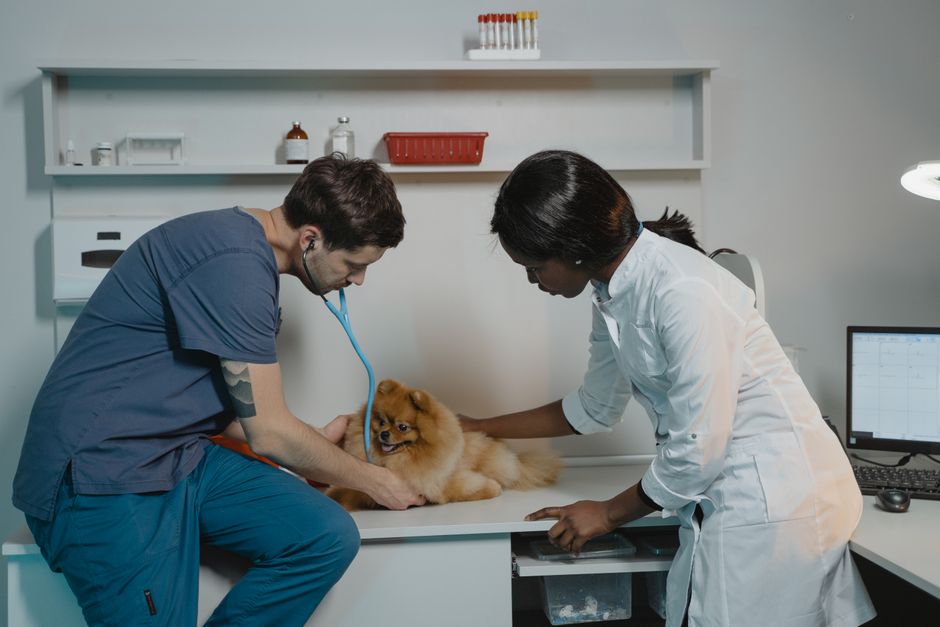
When you bring your dog to Sandbridge Veterinary Care for a coughing concern, our veterinary team will start with a thorough nose-to-tail examination and a detailed history. Questions about when the cough began, whether it’s dry or wet, and any recent exposures to other dogs help guide the diagnostic process.
Diagnostic testing often includes listening to your dog’s heart and lungs, taking a temperature, and examining the mouth and throat for any obstructions or irritation. If a more serious cause is suspected, your veterinarian may recommend chest X-rays, bloodwork, or specialized pet diagnostic laboratory services to check for infection, inflammation, or heart problems. In some cases, additional imaging or even a referral for advanced airway examination may be needed.
How Dog Coughs Are Treated: What to Expect
Treatment for your dog’s cough depends on the underlying cause. For mild cases of kennel cough or viral infections, rest, hydration, and monitoring are often all that’s needed. Your veterinarian may prescribe cough suppressants or antibiotics if a bacterial infection is diagnosed. Dogs with allergies might benefit from environmental changes or allergy medications, while those with heart disease require ongoing management and medication to improve heart function and reduce fluid buildup.
If a foreign object is causing the problem, prompt removal under anesthesia may be necessary. In cases of collapsing trachea, your veterinarian may recommend weight management, harnesses instead of collars, and medications to reduce coughing and inflammation. For more complex conditions like pneumonia or cancer, a tailored treatment plan will be developed to address your dog’s specific needs.
Throughout your dog’s care, our team at Sandbridge Veterinary Care emphasizes clear communication and compassion, keeping you informed every step of the way.
Home Care and Prevention: Helping Your Dog Breathe Easier
While not every cough can be prevented, there are steps you can take at home to reduce your dog’s risk and help them recover. Keeping your dog up to date on wellness exams and preventive care is one of the best ways to catch early signs of illness and keep vaccinations current, especially for kennel cough and canine influenza. Avoid exposing your dog to crowded places during outbreaks, and always monitor for changes in your dog’s breathing or energy levels.
At home, keep your dog’s environment free from smoke, strong cleaning chemicals, and excessive dust. Use a harness instead of a collar for small breeds prone to collapsing trachea. Ensure your home is well-ventilated, especially during humid months in St. Augustine, to reduce mold and mildew exposure.
If your dog is recovering from a mild cough, offer a quiet, comfortable place to rest, encourage drinking fresh water, and avoid strenuous activity until cleared by your veterinary team. If symptoms persist longer than a few days or worsen, professional evaluation is always recommended.
When to See a Vet for Your Dog’s Cough
Not all dog coughs are emergencies, but some situations require prompt veterinary attention. Warning signs that mean you should schedule an appointment at Sandbridge Veterinary Care include coughing that lasts more than a few days, coughing accompanied by fever, loss of appetite, lethargy, or labored breathing, and any episodes where your dog turns blue or collapses.
Coughing puppies, senior dogs, and pets with existing health conditions are especially vulnerable to complications. If you notice your dog is coughing up blood, has difficulty breathing, or seems unable to get comfortable, contact our veterinary professionals without delay.
Our team is equipped to provide both urgent and routine care for coughing dogs, ensuring your pet receives thorough diagnostics and a treatment plan tailored to their needs.
Do Dogs Cough in St. Augustine? Trust Sandbridge Veterinary Care for the Answers
To answer the question, “do dogs cough?”—yes, and sometimes it’s nothing to worry about, but other times it signals a more serious health issue. At Sandbridge Veterinary Care, our compassionate veterinary team in St. Augustine is dedicated to helping your dog breathe easier, whether the cause is seasonal allergies, a common infection, or something more complex. If you notice a persistent cough or other concerning symptoms, don’t wait to get peace of mind. Schedule an appointment with our experienced veterinarians today and let us help you keep your dog healthy and happy.
When searching for a vet near me, look for a veterinary practice that offers comprehensive diagnostics, transparent communication, and a genuine commitment to your pet’s well-being. For more information about our pet diagnostic laboratory services, or to schedule a wellness examination, visit our website or call us at (904) 901-4030. We proudly serve St. Augustine and surrounding communities from our convenient location.
Your dog’s health and comfort are always our top priorities. If you have questions about why do dogs cough or need expert care for your coughing dog, reach out to Sandbridge Veterinary Care—we’re here to help every step of the way.