.png)
Dog Hacking: Causes and When to See a Vet
Dog Hacking: Causes and When to See a Vet
Is your dog suddenly making strange hacking or gagging noises, leaving you worried as the temperatures rise in St. Augustine? Dog hacking can be alarming for any pet owner, especially when it seems to appear out of nowhere, whether your dog is resting indoors or playing outside in the Florida heat. At Sandbridge Veterinary Care, we know how stressful it can be to hear your beloved companion cough or gag, and you may wonder if it is just a harmless sound or a sign of something more serious. This blog will help you understand the common reasons for dog hacking, guide you on how to recognize when it is a cause for concern, and explain what steps you should take next. We will also share expert advice from our team of veterinarians here in St. Augustine, so you can keep your dog healthy and comfortable throughout the year.
If you are looking for more information about urgent pet care or need immediate help, you can always explore our emergency veterinary care services. Sandbridge Veterinary Care provides comprehensive support for dog owners in St. Augustine and the surrounding communities, offering everything from preventive exams to advanced diagnostics and emergency care under one roof.
Recognizing Dog Hacking: What Does It Sound Like?
Dog hacking is a term pet owners often use to describe a harsh, dry cough, a retching noise, or a sound similar to gagging, as if your dog is trying to clear its throat. Sometimes, it can be mistaken for vomiting, choking, or reverse sneezing, but each has its own distinct sound and cause. Hacking may happen after excitement, exercise, drinking water, or seemingly for no reason at all. It is important to observe when the hacking occurs, how often it happens, and whether your dog seems distressed or uncomfortable during or after the episode.
Typical signs of dog hacking include a repeated, forced exhalation that sounds like a cough, attempts to clear the throat, or a dry, honking noise. Some dogs may stretch out their necks or gag as if something is stuck. Occasional hacking may not be serious, but if your dog is hacking persistently, seems lethargic, loses appetite, or shows other changes in behavior, it is time to pay closer attention.
Common Causes of Dog Hacking in St. Augustine Dogs
Understanding what causes dog hacking can help you determine whether your dog needs a veterinary visit or simply some extra care at home. There are several possible reasons for this behavior, and the warm, humid climate in St. Augustine can sometimes play a role.
Respiratory Infections
One of the most frequent causes of dog hacking is a respiratory infection such as kennel cough. Kennel cough, or canine infectious tracheobronchitis, spreads easily in places where dogs gather, like daycare facilities, boarding kennels, or dog parks. Symptoms include a dry, hacking cough, retching, sneezing, and sometimes mild fever. While most cases are mild, some can progress to pneumonia or cause complications, especially in puppies, older dogs, or those with weakened immune systems.
Allergies and Environmental Irritants
Florida’s lush environment and frequent pollen spikes can cause allergies in dogs just as they do in people. Allergens like pollen, dust, mold, and household cleaners can irritate a dog’s airways, leading to hacking or coughing. Signs of allergies often include watery eyes, sneezing, skin itching, and sometimes hacking or gagging, particularly after spending time outdoors.
Foreign Objects and Throat Irritation
Dogs love to explore with their mouths, and sometimes grass, small toys, or other foreign materials can get lodged in the throat or upper airway. This may cause sudden, intense hacking or gagging as your dog tries to dislodge the object. If your dog suddenly starts hacking and pawing at the mouth or seems to be in distress, this could be an emergency.
Collapsing Trachea or Structural Problems
Some breeds, especially small and toy breeds, are prone to tracheal collapse, a condition where the cartilage rings in the trachea weaken and partially collapse. This leads to a characteristic honking cough or hacking noise, especially during excitement, exercise, or while pulling on a collar. Other structural issues, such as laryngeal paralysis, can also cause similar sounds and require prompt veterinary evaluation. To learn more about how our team can diagnose and treat these issues, visit our in-house diagnostic laboratory services page.
Heart Disease
Coughing and hacking can sometimes be a sign of underlying heart disease, especially in older dogs. Fluid buildup in the lungs or pressure on the airways can trigger coughing or gagging, particularly at night or after exercise. If your dog has a history of heart problems or you notice additional symptoms like lethargy, trouble breathing, or fainting, it is important to schedule an appointment with your veterinarian as soon as possible.
Reverse Sneezing
Reverse sneezing can sometimes be mistaken for hacking but is actually a different process. It is common in many breeds and usually occurs when something irritates the soft palate or throat, such as dust, pollen, or excitement. During a reverse sneeze, your dog will rapidly inhale air, making a snorting sound while standing still with elbows spread and neck extended. While it can sound alarming, reverse sneezing is usually harmless and stops on its own.
Treatment and Management: What Can You Expect at the Vet?
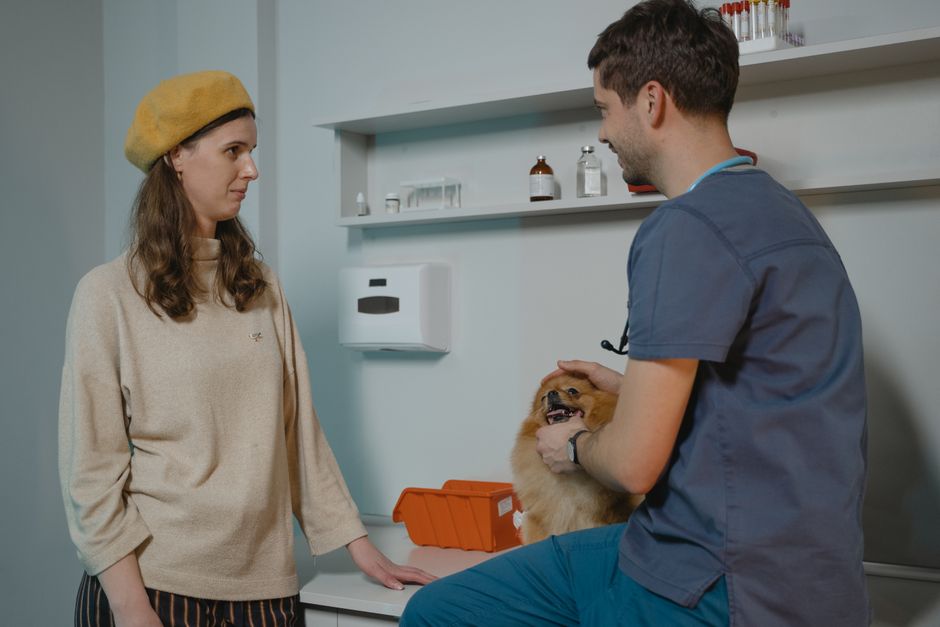
When you bring your dog in for hacking, our veterinary team at Sandbridge Veterinary Care in St. Augustine will start with a thorough physical examination and a detailed history of your dog’s symptoms. We may ask questions about when the hacking occurs, any recent exposures to other dogs, changes in activity, or access to potential irritants or foreign objects.
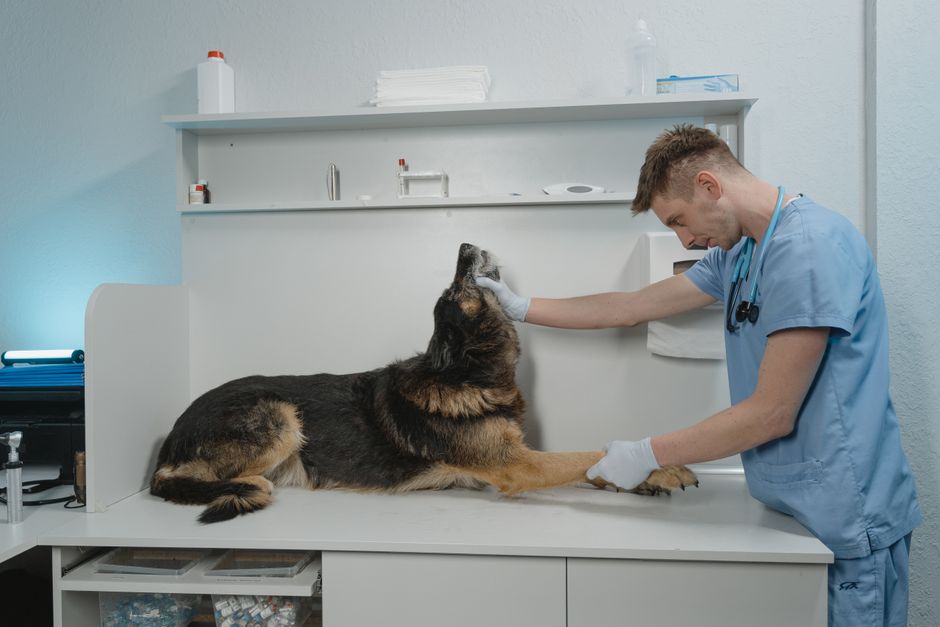
Diagnostic approaches may include listening to your dog’s lungs and airways with a stethoscope, checking temperature, and performing a thorough oral and throat examination. Depending on the findings, our team might recommend additional tests such as chest X-rays, airway swabs, or bloodwork. In some cases, we may use advanced tools from our pet diagnostic laboratory to identify infections or check for underlying health issues.
Treatment options depend on the cause of your dog’s hacking. For mild respiratory infections like kennel cough, rest and supportive care are often recommended; your veterinarian may also prescribe cough suppressants or antibiotics if a bacterial infection is suspected. Allergies are managed with environmental modifications, antihistamines, or other medications as appropriate. If a foreign object is suspected, immediate intervention may be necessary to remove it safely. Structural problems like collapsing trachea or laryngeal paralysis may require long-term management, lifestyle adjustments, or in some cases, surgery.
Throughout the process, our veterinary team will keep you informed and partner with you on the best care plan for your dog, taking into account your dog’s age, breed, medical history, and lifestyle.
Prevention and Home Care: Keeping Your Dog Comfortable
While not all cases of dog hacking can be prevented, there are several steps you can take to reduce your dog’s risk and keep them comfortable at home. Ensuring your dog is up-to-date on vaccinations, including the kennel cough vaccine, is one of the best ways to protect against infectious causes. Regular preventive care exams and vaccinations offered by our team in St. Augustine help detect problems early and keep your dog healthy year-round.
At home, minimize exposure to known allergens by keeping your living spaces clean, using air purifiers during pollen seasons, and washing your dog’s bedding frequently. Avoid using harsh cleaners or aerosols around your dog, and consider switching to a harness instead of a collar, especially for dogs prone to tracheal issues. Monitor your dog’s playtime, and supervise when chewing on toys or sticks to prevent accidental ingestion of foreign objects.
If your dog is recovering from a respiratory infection, provide a quiet, comfortable space for rest and limit contact with other dogs until your veterinarian advises it is safe. Make sure your dog has access to fresh water and a cool place to relax, particularly during hot and humid St. Augustine days.
When to See a Veterinarian for Dog Hacking
Not every hacking sound is a reason to panic, but there are clear signs that your dog needs prompt veterinary attention. If you notice your dog hacking frequently, struggling to breathe, coughing up blood, experiencing loss of appetite, lethargy, or if the hacking is accompanied by fever, vomiting, or collapse, it is important to contact your veterinarian immediately. Sudden, severe hacking with signs of choking or distress is always an emergency.
Even if symptoms seem mild, persistent hacking that lasts for more than a few days, worsens over time, or is accompanied by other concerning changes should be evaluated by our veterinary team. Early intervention can often prevent complications and bring peace of mind.
If you are ever unsure, it is always better to err on the side of caution and schedule an appointment. Our compassionate veterinary professionals at Sandbridge Veterinary Care are here to answer your questions and provide expert guidance every step of the way.
Supporting Your Dog’s Health in St. Augustine
Dog hacking can be unsettling, but understanding the causes and knowing when to seek help can make all the difference for your companion’s health. With St. Augustine’s unique climate and active pet community, being proactive about preventive care, regular checkups, and timely intervention is the best way to keep your dog happy and comfortable.
If you are searching for a "vet near me" who offers everything from routine exams to emergency care under one roof, Sandbridge Veterinary Care is here for you and your dog. Our full-service veterinary center at 230 Sandy Creek Parkway, St. Augustine, FL 32095 is dedicated to serving St. Augustine and surrounding communities with compassion and expertise.
If your dog is experiencing hacking, don’t wait for symptoms to get worse. Call our team at (904) 901-4030 to schedule an appointment or learn more about our emergency veterinary care services. We are here to support you and your dog, providing trusted advice and care when you need it most. Your dog’s comfort, health, and happiness are always our top priorities at Sandbridge Veterinary Care.