.png)
Dog Hacking: Causes, Symptoms, and When to Visit the Vet
Dog Hacking: Causes, Symptoms, and When to Visit the Vet
Is your dog suddenly making a strange hacking sound? If you live in St. Augustine or the surrounding communities, you are not alone in worrying about what this noise means for your companion. Dog hacking is a common concern for pet owners, especially when it starts unexpectedly or persists longer than a day or two. At Sandbridge Veterinary Care, we know how alarming it can be to hear your dog cough, hack, or make choking noises, and our team is here to help you understand what’s normal, what’s not, and when it’s time to schedule an appointment. In this article, we’ll explore the most common causes of dog hacking, the symptoms to watch for, seasonal factors that play a role in St. Augustine, and how our veterinarians can provide answers and relief for your pet. You’ll also find practical tips for prevention, as well as guidance on when to seek emergency veterinary care for your dog.
Recognizing Dog Hacking: What Does It Sound Like?
If you’re searching for answers about dog hacking, you’re likely wondering how to tell the difference between a harmless cough and something more serious. Hacking is typically described as a dry, harsh, or gag-like cough that may sound as if your dog is trying to clear their throat or bring something up. Sometimes, it’s accompanied by retching or a honking sound, while other times your dog may appear to be choking but nothing comes out.
Symptoms to watch for include repeated gagging or coughing, attempts to swallow or clear the throat, and intermittent or persistent episodes that occur throughout the day or night. Some dogs may hack only after drinking water, eating, or becoming excited, while others might start coughing after running around outside or sniffing something new. If your dog’s hacking is mild and occasional, it may be a temporary irritation. However, if the coughing is frequent, severe, or comes with other symptoms such as lethargy, loss of appetite, difficulty breathing, or nasal discharge, it’s time to pay closer attention.
Why Is My Dog Hacking? Common Causes for Concern
Understanding why your dog is hacking begins with considering their environment, recent activities, and overall health. There are many reasons your dog might start hacking, ranging from minor irritations to more significant medical issues.
One of the most frequent causes in our area is kennel cough, an infectious respiratory condition that spreads easily in places where dogs gather, such as boarding facilities, dog parks, or even grooming salons. Kennel cough often causes a dry, persistent hacking cough, sometimes described as a “goose honk.” Even if your dog is up to date on vaccinations, exposure to other dogs can still present a risk.
Seasonal allergies are another common culprit in St. Augustine, especially during spring and fall when pollen counts are high. Allergies can lead to throat irritation, postnasal drip, and hacking in dogs. Our local climate, with its humidity and frequent mold growth, can also contribute to respiratory irritation.
Foreign objects, such as grass seeds, small sticks, or even food particles, occasionally become lodged in a dog’s throat, causing sudden bouts of hacking or gagging. If the coughing started abruptly during or after a walk, or after chewing on a toy, this may be the reason.
Other medical conditions include tracheal collapse (especially in small breeds), heart disease, canine influenza, laryngeal paralysis, and even some parasites. Less commonly, chronic hacking can signal more serious problems like heartworm disease, pneumonia, or even cancer. If your dog’s hacking is accompanied by breathing difficulties or fainting episodes, urgent veterinary attention is needed.
Treatment and Management: How Sandbridge Veterinary Care Can Help
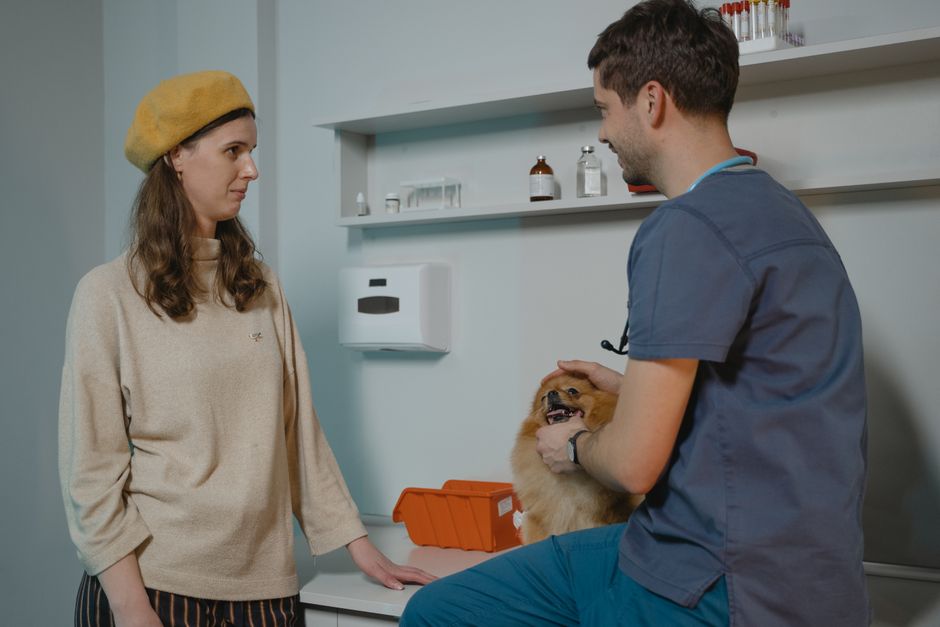
When your dog is hacking, the first step is a thorough evaluation by our experienced veterinary team at Sandbridge Veterinary Care in St. Augustine. We begin by asking about the onset, frequency, and pattern of your dog’s coughing. During your appointment, our veterinarians will perform a physical examination, listen to your dog’s heart and lungs, and may recommend diagnostic tests such as chest radiographs (X-rays), bloodwork, or specific tests for infectious diseases.
Treatment options depend on the underlying cause. For mild kennel cough, rest and supportive care may be all that’s necessary, along with ensuring your dog stays isolated from other dogs to prevent spreading illness. In more severe cases, medications such as cough suppressants, antibiotics, or anti-inflammatories might be prescribed. If allergies are suspected, our team can discuss allergy management strategies, including allergy testing for pets and targeted therapies to reduce symptoms.
Foreign bodies lodged in the throat or airway may require immediate removal, sometimes under sedation or anesthesia. For chronic conditions like tracheal collapse or laryngeal paralysis, specialized management plans and, in some cases, surgical options may be needed. Our team is equipped to provide advanced diagnostics and a wide range of surgical and medical interventions to keep your dog comfortable and safe.
We also recognize that some respiratory issues may be linked to skin allergies or dermatological problems. In these cases, our veterinary dermatology services can address underlying allergies that contribute to hacking and coughing.
Prevention and Home Care Tips for Dog Hacking
While not all cases of dog hacking can be prevented, there are steps you can take to reduce your dog’s risk and keep their respiratory system healthy. Keeping your dog’s vaccinations current, especially for kennel cough and canine influenza, is essential if your dog visits boarding facilities, groomers, or dog parks. Avoid exposing your dog to sick animals, and practice good hygiene by washing your hands and cleaning your dog’s belongings regularly.
During allergy season in St. Augustine, wiping your dog’s paws and coat after outdoor walks can help minimize pollen and mold exposure. Using air purifiers indoors and keeping windows closed on high pollen days may also reduce symptoms. If your dog is prone to snuffling or picking up objects on walks, supervise them closely to prevent accidental ingestion of foreign material.
For dogs with chronic respiratory issues, maintaining a healthy weight, using a harness instead of a collar, and minimizing exposure to smoke or chemical irritants are all helpful. Regular preventive care exams and vaccinations ensure early detection of health problems and allow our veterinary team to tailor advice to your dog’s specific needs.
If your dog is prescribed medication for respiratory issues, give it exactly as directed and monitor for side effects or worsening symptoms. Never give over-the-counter cough suppressants or human medications without veterinary approval, as some can be harmful to dogs.
When to Bring Your Dog to the Vet for Hacking
It can be challenging to know when dog hacking warrants a veterinary visit. Generally, you should schedule an appointment if your dog’s hacking is persistent (lasting more than a day or two), severe, or accompanied by worrisome symptoms. Warning signs include difficulty breathing, blue-tinged gums or tongue, lethargy, refusal to eat or drink, vomiting, or coughing up blood or large amounts of mucus. If your dog collapses, has repeated choking episodes, or seems unable to catch their breath, seek emergency veterinary care immediately.
For milder cases, our compassionate team at Sandbridge Veterinary Care is always happy to provide guidance. If you are unsure whether your dog’s hacking is a true emergency, call us for advice; we can help you decide on the best next steps.
Supporting Your Dog’s Respiratory Health in St. Augustine
Living in St. Augustine brings its own set of challenges for pet owners, from seasonal allergies to the increased risk of kennel cough in our warm, humid climate. At Sandbridge Veterinary Care, we are dedicated to helping you navigate every stage of your dog’s health journey. Whether you need answers about dog hacking, support for allergy management, or a trusted partner for preventive care, our veterinary team is here for you and your dog.
If you ever find yourself searching for a "vet near me" because of your dog’s hacking or other health concerns, remember that our St. Augustine location offers comprehensive diagnostics, advanced treatments, and a commitment to your pet’s comfort and wellbeing. To schedule an appointment or speak with our veterinarians about your dog’s symptoms, call us at (904) 901-4030. We’re here to help your dog breathe easy, recover quickly, and get back to enjoying life by your side.
Disclaimer: This article is intended for informational purposes only and does not replace professional veterinary evaluation or treatment. If you have concerns about your dog’s health, always consult your veterinarian promptly.