Dog Keeps Coughing? Common Causes and When to See a Vet
Dog Keeps Coughing? Common Causes and When to See a Vet
If you have ever found yourself wondering why your dog keeps coughing, especially during St. Augustine’s unpredictable fall weather, you are not alone. Many pet owners notice their dogs developing a persistent cough and worry about whether it is something minor or a sign of a more serious problem. At Sandbridge Veterinary Care, located at 230 Sandy Creek Parkway, St. Augustine, FL 32095, we understand how concerning it can be to hear your dog cough again and again. This blog will help you understand the most common reasons a dog keeps coughing, what symptoms to watch for, and when it is time to schedule an appointment with our veterinary team. Our goal is to guide you through the causes, home care tips, and the steps our veterinarians may take to diagnose and treat your dog’s cough, so you can feel confident caring for your four-legged companion.
Recognizing a Persistent Cough in Dogs
Before jumping to conclusions, it is important to know what a persistent cough looks and sounds like in dogs. Occasional throat-clearing or a quick cough after excitement is usually nothing to worry about. However, if your dog keeps coughing for more than a few days, coughs in repeated fits, or seems uncomfortable, it is time to pay closer attention.
Key symptoms of a concerning cough include frequent hacking, honking, gagging, or retching sounds. Some dogs may seem to be trying to clear their throat, while others develop a deep, dry bark-like cough. Watch for additional signs such as lethargy, decreased appetite, nasal discharge, or difficulty breathing, as these may indicate underlying illness. If coughing worsens at night, after exercise, or is accompanied by any new symptoms, your dog may need professional evaluation.
If you notice blood in your dog’s saliva, blue-tinged gums, or rapid breathing, these are urgent warning signs. While some coughs are harmless, persistent or severe coughing always deserves attention from a veterinarian to rule out more serious problems.
Why Your Dog Keeps Coughing: Common Causes
There are several reasons a dog keeps coughing, ranging from mild to serious. Understanding these causes can help you determine the best next steps for your pet.
Infectious Diseases
The most common reason for a sudden, persistent cough is an infectious disease such as kennel cough (infectious tracheobronchitis). Kennel cough spreads quickly in places where dogs gather, such as boarding facilities, grooming salons, or dog parks. Symptoms include a dry, hacking cough that may sound like a goose honk, often triggered by excitement or activity.
Other infectious causes include canine influenza, which can lead to a wet, productive cough, and canine distemper, a more severe viral illness that usually presents with additional symptoms.
Allergies and Environmental Irritants
Just like people, some dogs are sensitive to allergens like pollen, dust, mold, or smoke. Environmental irritants can cause a mild, chronic cough, especially during certain seasons in St. Augustine. Signs of allergy-related coughing may include sneezing, watery eyes, or itchiness.
Heart Disease and Heartworm
Heart disease is a less common but serious cause of coughing, especially in older dogs or breeds prone to cardiac issues. When the heart cannot pump efficiently, fluid may build up in the lungs, triggering a persistent cough. Heartworm disease is another significant concern in Florida. Heartworm larvae are transmitted by mosquitoes and can quietly damage the heart and lungs before any symptoms appear. If your dog keeps coughing and you have not had recent heartworm testing, it is important to address this risk.
Collapsing Trachea and Airway Disorders
Certain small breed dogs are prone to tracheal collapse, where the windpipe partially flattens and causes a distinctive honking cough. Other airway disorders, such as chronic bronchitis or laryngeal paralysis, can also lead to ongoing coughing and noisy breathing. These conditions often require specialized care and diagnostics.
Foreign Objects, Tumors, and Other Causes
Occasionally, a cough results from a foreign object stuck in the airway, exposure to smoke or chemicals, or, less commonly, growths or tumors in the respiratory tract. Dogs who chew on sticks, toys, or bones may accidentally inhale a fragment, resulting in sudden coughing fits.
How Veterinarians Diagnose the Cause When a Dog Keeps Coughing
When you bring your dog to Sandbridge Veterinary Care for a cough that will not go away, our veterinary team follows a thorough approach to identify the underlying cause.
Initial Examination
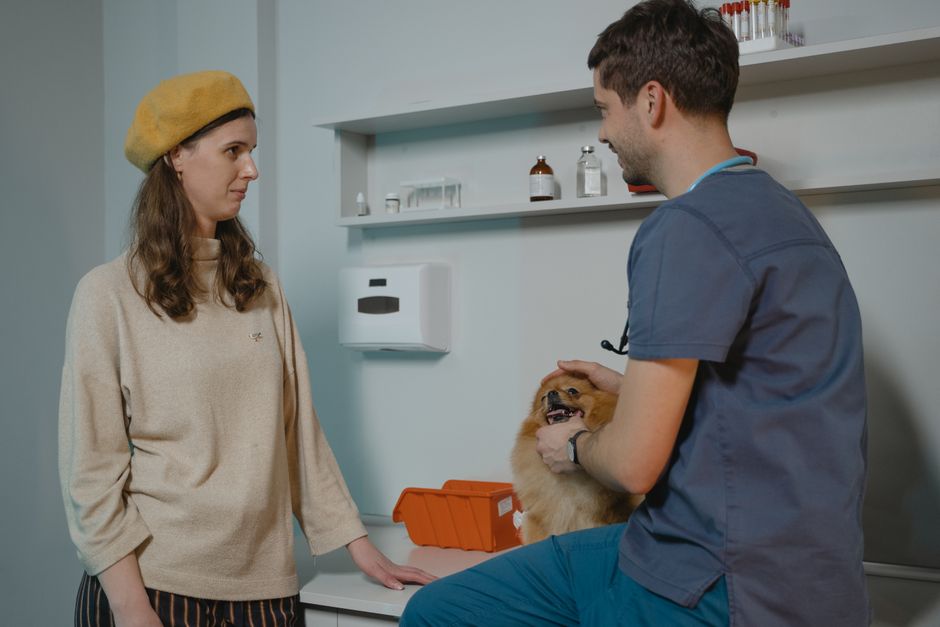
The process starts with a comprehensive physical exam and a detailed history. We will ask about your dog’s environment, recent activities, exposure to other dogs, vaccination status, and any other symptoms you have noticed. Listening to your dog’s lungs and heart with a stethoscope helps us identify clues about the source of the cough.
Diagnostic Testing
Depending on your dog’s history and exam findings, we may recommend further tests to confirm the cause. In-house diagnostic laboratory services can quickly screen for infections or inflammation. For heartworm risk, a simple heartworm test can provide answers in minutes.
When we need more information, advanced imaging such as digital radiology allows us to evaluate your dog’s lungs, heart, and airways in detail. X-rays can reveal pneumonia, heart enlargement, airway collapse, or masses. If we suspect other health issues, veterinary ultrasound may further support our diagnosis, especially for heart or abdominal involvement.
Treatment Options for Dogs With a Persistent Cough
The right treatment depends on the exact cause of your dog’s cough. Our goal is always to provide the safest, most effective care tailored to your pet’s needs.
Infectious Cough Management
For mild, uncomplicated infections like kennel cough, treatment often involves rest, supportive care, and sometimes cough suppressants or antibiotics if a bacterial infection is present. Most dogs recover within a week or two, though we may recommend isolating them from other dogs to prevent spreading the illness.
Addressing Allergies and Environmental Triggers
When allergies are the culprit, reducing exposure to triggers is key. This may include keeping windows closed during high pollen days, running air purifiers, and avoiding cigarette smoke or strong fragrances. In some cases, antihistamines or other medications may be prescribed.
Treating Heart Disease and Heartworm
If heart disease or heartworm is diagnosed, our team will work with you to develop a long-term management plan. Heart disease treatment often includes medications to reduce fluid buildup and support heart function. Heartworm disease requires a carefully managed protocol to eliminate the parasites and support your dog’s recovery.
Surgical and Advanced Care
Conditions like collapsing trachea, laryngeal paralysis, or airway tumors sometimes call for surgical intervention or advanced therapies. Our veterinarians will discuss all options with you and ensure your dog receives the highest standard of care.
Home Care and Prevention for Coughing Dogs
While professional evaluation is essential when your dog keeps coughing, there are several steps you can take at home to support recovery and reduce future risk.
Keeping your dog up to date on vaccinations, including Bordetella (kennel cough) and canine influenza, is one of the best ways to prevent infectious coughs. If your dog spends time in boarding, daycare, or grooming facilities, regular immunizations are especially important. Avoiding exposure to sick dogs, minimizing time in crowded places during outbreaks, and practicing good hygiene can further reduce risk.
At home, ensure your dog has a comfortable, stress-free environment. Using a harness instead of a collar can help reduce pressure on the airway, especially for breeds prone to tracheal collapse. Clean your home’s air filters regularly and avoid smoking indoors to limit irritants. If your dog has allergies, work with your veterinarian to identify and manage triggers.
If your dog is recovering from an illness, keep them well-hydrated, rested, and away from other dogs until cleared by your veterinarian. Never give over-the-counter cough or cold medications intended for humans, as these can be dangerous for dogs.
When to Seek Veterinary Care for a Coughing Dog
While some coughing is mild and self-limiting, there are clear situations when you should seek veterinary help. If your dog keeps coughing for more than a few days, or if the cough is severe, worsening, or accompanied by other symptoms such as difficulty breathing, lethargy, blue gums, or loss of appetite, call your veterinarian right away.
Immediate care is needed if you notice choking, collapse, persistent gagging, or coughing up blood. These signs may indicate a foreign object, severe infection, heart failure, or another emergency. At Sandbridge Veterinary Care, our veterinary professionals are equipped to diagnose and treat a wide range of causes so your dog can breathe easier and recover quickly.
For non-urgent cases, scheduling a wellness examination can help detect and address health problems early, before they become serious. Preventive care is the cornerstone of long-term health for your canine companion.
Trust Sandbridge Veterinary Care in St. Augustine for Your Dog’s Respiratory Health
When your dog keeps coughing and you are unsure what to do next, it is always best to consult a trusted veterinary team. At Sandbridge Veterinary Care in St. Augustine, our veterinarians combine compassionate care with advanced diagnostics to get to the root of your dog’s cough. Whether your pup needs a physical exam, in-house lab testing, digital x-rays, or a customized treatment plan, we are here to help every step of the way.
If you are searching for a "vet near me" who understands the unique needs of dogs in St. Augustine and surrounding communities, look no further than our full-service veterinary center. To schedule an appointment or discuss your dog’s symptoms, call us at (904) 901-4030 or visit us at 230 Sandy Creek Parkway, St. Augustine, FL 32095. Your dog’s comfort, health, and happiness are always our top priorities. If you are ever concerned about why your dog keeps coughing, our veterinary team is here to provide answers, reassurance, and the highest standard of care.
Medical Disclaimer: This blog is for informational purposes only and should not be used as a substitute for professional veterinary advice, diagnosis, or treatment. If your dog is coughing or showing other concerning symptoms, please contact your veterinarian for a thorough evaluation.