Essential Holiday Safety Tips for Pets in November
Essential Holiday Safety Tips for Pets in November
As November arrives in St. Augustine, anticipation for the holiday season begins to fill our homes with festive decorations, delicious meals, and gatherings of family and friends. While these traditions bring joy, they also introduce a variety of seasonal hazards for our beloved dogs and cats. At Sandbridge Veterinary Care, located at 230 Sandy Creek Parkway, St. Augustine, FL 32095, we understand how important it is to keep your four-legged companions safe and stress-free throughout the busy holiday months. This comprehensive guide will walk you through the essential holiday safety tips every pet owner should know, from recognizing hidden dangers in festive foods and decorations to understanding what to do if an emergency arises. We will also highlight how our team of veterinarians can support you and your pet with preventive and urgent care, providing peace of mind for families in St. Augustine and surrounding communities.
Recognizing Holiday Hazards: Signs Your Pet May Be at Risk
The excitement of the holidays often leads to a bustling household, new scents, and numerous temptations for curious pets. It is important for pet owners to recognize the subtle and obvious signs that their dog or cat may have encountered a holiday hazard. Common symptoms of trouble include vomiting, diarrhea, sudden lethargy, excessive drooling, coughing, difficulty breathing, or signs of abdominal discomfort such as whining or restlessness. If your pet is limping after slipping on spilled food or broken decorations, or if you notice swelling, bleeding, or unexplained wounds, these can also point to holiday-related injuries. Additionally, changes in behavior like hiding, pacing, or agitation may signal that your pet is feeling stressed or unwell due to unfamiliar guests, loud noises, or holiday commotion. The earlier you spot these signs, the sooner you can intervene to protect your pet’s well-being.
Why Are Holidays Risky for Dogs and Cats?
The holiday season brings with it an array of new sights, smells, and experiences for pets, many of which can pose risks. Seasonal foods such as turkey bones, chocolate desserts, rich gravies, and alcoholic drinks are frequently left within reach during gatherings. Dogs and cats are naturally curious, and even a quick lick or nibble of these items can lead to serious health issues, including pancreatitis, gastrointestinal blockages, or toxic reactions. Holiday decorations like tinsel, string lights, ribbon, and glass ornaments are attractive to playful pets; ingestion or accidental injury is common if these are not secured out of reach. Candles, potpourri, and essential oil diffusers can also introduce respiratory or digestive hazards. In addition to physical dangers, the increased activity and noise of the holidays can lead to anxiety or behavioral changes in both dogs and cats, especially if they are not used to crowds or changes in routine. Understanding these risks allows pet owners to create a safer, calmer environment for their companions.
Holiday Foods to Avoid: Protecting Your Pet from Toxic Treats
One of the most common holiday emergencies seen by our veterinary team involves pets ingesting unsafe foods. Key foods to keep away from your pet include chocolate, which contains theobromine and caffeine and is highly toxic to both dogs and cats. Xylitol, a sugar substitute found in some baked goods and candies, can cause rapid insulin release and life-threatening hypoglycemia in dogs. Grapes and raisins, which may appear in fruitcakes or salads, are known to cause kidney failure even in small amounts. Onions, garlic, and chives, often used in stuffing or casseroles, can lead to red blood cell damage and anemia. Turkey and chicken bones can splinter, causing choking or dangerous blockages in the digestive tract. Rich, fatty foods like gravy or butter can trigger pancreatitis, a painful and potentially fatal inflammation of the pancreas. Alcoholic beverages are equally hazardous, causing depression of the nervous system, vomiting, and loss of coordination. If you suspect your pet has consumed any of these items, it is important to act quickly and contact your veterinarian for guidance.
Managing Holiday Decorations and Household Dangers
Decorating for the holidays is a cherished tradition, but many common decorations can be hazardous if not carefully managed. Tinsel and ribbon, when ingested, can cause intestinal blockages, especially in cats who are drawn to string-like materials. Glass ornaments can shatter and cause cuts in the mouth or paws, while batteries from string lights or toys can be extremely toxic if chewed. Electrical cords pose a risk of shock or burns if pets chew through them. Candles and open flames should always be kept well out of reach of wagging tails and curious noses to prevent accidental burns or house fires. Even certain holiday plants such as poinsettias, mistletoe, and holly can be mildly to highly toxic if ingested by pets, leading to symptoms ranging from drooling and vomiting to more severe reactions. Safe decorating involves placing fragile or dangerous items out of reach, securing cords, and choosing pet-friendly alternatives when possible. Supervise your pets around decorations and consider confining them to pet-safe areas when you are not able to monitor them directly.
Creating a Calm and Safe Environment for Your Pet
The holidays are a time of increased activity, visitors, and noise, which can quickly become overwhelming for sensitive animals. Many pets thrive on routine, so sudden changes or disruptions can trigger anxiety or even escape attempts. To keep your pet comfortable, designate a quiet, familiar space in your home where your pet can retreat if the festivities become too much. This area should have their bed, favorite toys, and access to fresh water. If your dog or cat is especially anxious around strangers or loud noises, consider using background music or a white noise machine to mask sudden sounds. Inform your guests about house rules regarding your pets, such as not feeding table scraps or leaving doors open. Regular exercise and playtime before gatherings can help reduce pent-up energy and stress. If you know your pet struggles with anxiety or fear during the holidays, discuss calming options or behavioral strategies with your veterinarian during your next wellness examination.
What to Do If an Emergency Occurs: Immediate Steps and Veterinary Support
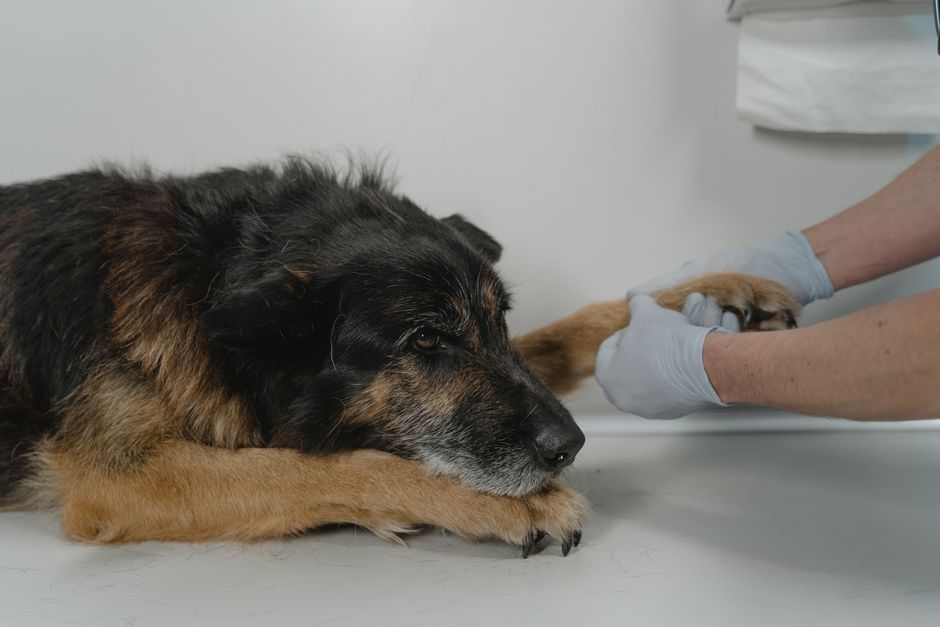
Despite careful preparation, accidents can still happen. If you suspect your pet has ingested a toxic substance, suffered an injury, or is displaying sudden signs of illness, remain calm and contact your veterinarian for immediate advice. Key steps include removing your pet from the source of danger, checking their airway and breathing, and gathering information about what and how much was ingested if possible. Do not attempt to induce vomiting or give any home remedies unless specifically directed by a veterinary professional, as this can worsen the situation. Sandbridge Veterinary Care is equipped to handle a wide range of emergencies, from toxin ingestion to injuries and sudden illnesses. Our emergency veterinary care services are available to help pets in distress, providing diagnostics, treatment, and supportive care tailored to your pet’s needs. If your pet requires laboratory testing after a suspected toxin exposure or illness, our pet diagnostic laboratory can deliver fast, accurate results to guide treatment decisions.
Prevention: Keeping Your Pet Safe All Season Long
Taking proactive steps can dramatically reduce your pet’s risk of holiday hazards. Store all holiday foods and leftovers well out of reach, and educate your family and guests about the dangers of feeding table scraps. Dispose of bones, ribbons, and packaging securely so they are not accessible to curious noses. Choose sturdy, pet-friendly decorations, and avoid using tinsel or fragile ornaments if your pet is prone to chewing or playing with non-food items. Secure electrical cords and use cord covers to prevent chewing. Supervise pets around open doors to prevent escapes, especially if guests are coming and going. Maintain your pet’s usual routine as much as possible, including regular feeding, walks, and playtime, to reduce stress. Consider a wellness examination before the holiday rush to ensure your pet is in optimal health. Our team can help you develop a personalized holiday safety plan during your next visit, taking into account your pet’s age, health status, and temperament.
When to Seek Veterinary Care: Guidelines for Pet Owners
Knowing when to call your veterinarian can save your pet’s life. Immediate veterinary attention is needed if your dog or cat is vomiting repeatedly, having difficulty breathing, showing signs of collapse or seizure, or is unable to stand. Ingestion of any amount of chocolate, xylitol, grapes, raisins, onions, or alcohol warrants prompt professional evaluation. If your pet has lacerations, uncontrolled bleeding, or persistent pain after an injury, or if you are concerned about a possible obstruction from swallowing non-food items, do not wait to seek help. Sandbridge Veterinary Care is here to support you with comprehensive general practice services, including emergency care, diagnostics, and surgery for a variety of holiday-related incidents. Our veterinary team is experienced in handling urgent cases and can guide you through the next steps when every moment counts.
Supporting Your Pet’s Health Before and After the Holidays
The holiday season is a great time to schedule a preventive check-up or discuss any concerns you may have about your pet’s health or behavior. Routine wellness examinations can help catch underlying health issues before they become emergencies. If your pet does experience a holiday mishap, our in-house pet diagnostic laboratory and emergency services allow us to deliver rapid care and get your furry companion back to feeling their best. We encourage you to reach out with questions or concerns at any time, whether you are preparing for festivities or responding to an unexpected situation.
Making the Holidays Joyful and Safe for St. Augustine’s Pets
Your pets are part of your family, and their safety and comfort matter during every season. By understanding common holiday hazards, watching for warning signs, and taking proactive steps, you can help ensure a joyful and worry-free November for your dogs and cats. If you ever need professional advice or help, our compassionate veterinary team at Sandbridge Veterinary Care is here to support you. To schedule an appointment or discuss your pet’s unique needs, call us at (904) 901-4030 or visit us at 230 Sandy Creek Parkway, St. Augustine, FL 32095. When searching for a veterinarian near me, trust our team to keep your pets safe and healthy, providing expert care for every season. Wishing you and your companions a happy, healthy holiday season from all of us at Sandbridge Veterinary Care.
This blog is intended for informational purposes only. If your pet is experiencing an emergency or you have concerns about their health, please contact a veterinary professional immediately.