Fall Dangers for Pets: Keeping Dogs and Cats Safe in October

Fall Dangers for Pets: Keeping Dogs and Cats Safe in October
Autumn in St. Augustine brings cooler breezes, beautiful foliage, and the excitement of Halloween, but it also ushers in a unique set of risks for your dog or cat. Many pet owners are surprised to learn that fall is one of the busiest times for veterinary clinics, thanks to hidden hazards lurking both indoors and out. At Sandbridge Veterinary Care, located at 230 Sandy Creek Parkway, St. Augustine, FL 32095, our team of veterinarians is dedicated to helping you navigate these seasonal challenges so you can keep your furry family members healthy and happy all season long. In this blog, we’ll guide you through common autumn toxins, Halloween dangers, changing weather risks, and practical steps you can take to protect your pets. You’ll also learn when to seek professional help and how we support your pet’s wellbeing with comprehensive care for St. Augustine and surrounding communities.
Recognizing Fall Hazards: Signs Your Pet May Be at Risk
As the days grow shorter and routines shift, pets often face new exposures both indoors and outside. Recognizing potential problems early is key. For dogs and cats, signs that something may be wrong in autumn include vomiting, diarrhea, lethargy, excessive drooling, tremors, coughing, difficulty breathing, or sudden behavioral changes. You might notice your pet pawing at their mouth after chewing on a plant, limping after a romp in leaf piles, or showing anxiety after a noisy Halloween event. Sometimes, subtle symptoms like increased thirst or appetite changes can signal exposure to seasonal toxins. If you see your pet sniffing mushrooms during a walk, chewing on acorns, or raiding Halloween candy, these are red flags that require attention. Any unexplained illness, especially after a known exposure to fall hazards, should prompt a call to your veterinary team.
Why Autumn Is Risky: Seasonal Hazards Explained
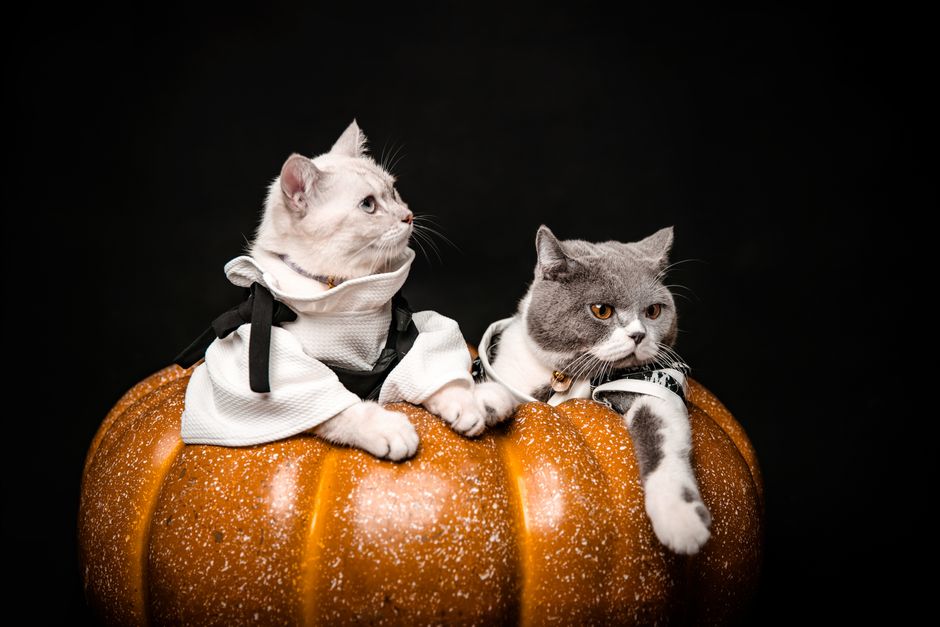
Autumn brings a mix of environmental and household risks for pets. Outdoors, mushrooms flourish in damp weather, and many varieties are toxic to dogs and cats. Acorns and certain nuts that fall from trees can cause gastrointestinal upset or even blockages if swallowed. Piles of moldy leaves may harbor bacteria or molds that trigger allergic reactions or respiratory distress. Indoors, fall often means scented candles, essential oils, and rodenticides are used more frequently, all of which can be hazardous if pets come into contact with them. Halloween is a special concern; chocolate, xylitol-sweetened treats, raisins, and even candy wrappers are all dangerous for pets. Costumes and decorations, while fun for families, can be stressful or even physically hazardous if pets chew or ingest small pieces. As temperatures dip, some households begin using antifreeze, which is highly toxic to pets even in tiny amounts. The hustle and bustle of seasonal gatherings can also increase the risk of accidental escapes, lost pets, or exposure to unfamiliar foods and plants.
Treatment and Management: How Our Team Can Help
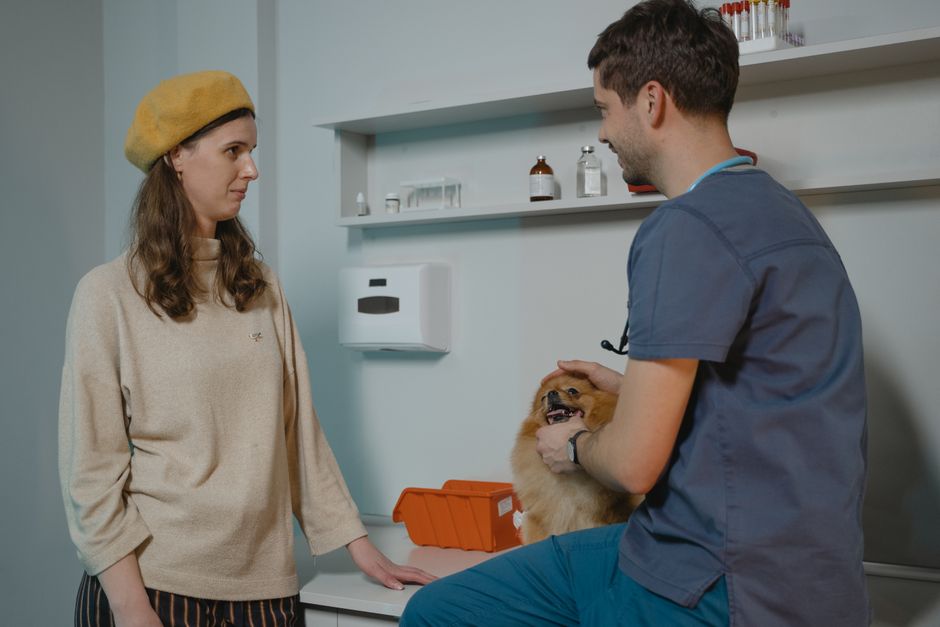
If your pet encounters a fall hazard, prompt veterinary care is crucial. The veterinarians at Sandbridge Veterinary Care are equipped to diagnose and treat a wide range of autumn-related illnesses and injuries. When you bring your pet in after a suspected toxin exposure, our team may begin with a thorough physical examination and recommend in-house diagnostic testing to determine the cause of symptoms. Our pet diagnostic lab allows us to rapidly analyze blood, urine, or stomach contents to identify toxins or underlying health problems.
Treatment options depend on the type of exposure and severity. For toxin ingestions, we may induce vomiting (if safe and appropriate), administer activated charcoal to bind toxins, provide intravenous fluids, and offer medications to control symptoms such as seizures or gastrointestinal upset. In cases of foreign body ingestion, such as swallowed wrappers or nuts, radiographs or ultrasounds help determine if surgery or endoscopic removal is needed. Respiratory issues or allergic reactions are managed with oxygen therapy, antihistamines, or steroids as indicated. The goal is always to stabilize your pet, manage their symptoms, and support a full recovery. Throughout the process, we keep you informed and involved, ensuring you feel confident in your pet’s care plan.
Prevention and Home Care Tips for a Safer Fall
While autumn hazards are real, many are preventable with simple precautions. Keep your dog or cat away from unfamiliar plants and mushrooms during walks and yard time, especially in damp or wooded areas. Rake and remove leaf piles promptly, and discourage pets from playing in or chewing on them. Store nuts, acorns, and seasonal decorations out of reach of curious mouths. Indoors, place candles and essential oils well beyond paw’s reach; supervise pets around decorations that could be chewed or swallowed. When hosting Halloween festivities, keep all candy, especially chocolate and sugar-free treats, safely stored away and avoid sharing any human food with your pet. Consider creating a quiet, comfortable space for your pet to retreat to during noisy events or trick-or-treating hours to reduce stress and the risk of accidental escapes.
If your household uses antifreeze or rodenticides, choose pet-safe alternatives whenever possible and clean up spills immediately. As the weather cools, check your pet’s bedding and shelter to ensure they are warm and dry, especially for older pets or those with arthritis, who may be more sensitive to temperature changes. Routine preventive care, such as wellness examinations and vaccinations, helps us spot early signs of illness and keep your pet’s immune system strong through the changing seasons.
When to Seek Veterinary Care: Acting Quickly Can Save Lives
Not every fall hazard leads to a crisis, but knowing when to call your veterinarian can make all the difference. Immediate professional help is needed if your pet has eaten any known toxin, such as chocolate, xylitol, mushrooms, antifreeze, or rodenticide. Other urgent situations include persistent vomiting or diarrhea, coughing or gagging, difficulty breathing, seizures, collapse, or sudden changes in behavior or alertness. If your dog or cat swallows a non-food item like a wrapper, costume accessory, or seasonal decoration, seek care promptly, as these can cause blockages or internal injuries. After any animal bite, wound, or exposure to moldy or unknown substances, call your veterinary team for guidance.
When in doubt, it is always safer to err on the side of caution. Our team at Sandbridge Veterinary Care is available to help assess your pet’s risk and recommend the next steps. By acting quickly, you increase the chances of a positive outcome and peace of mind.
Supporting Your Pet’s Health All Season Long
Autumn should be a time for cozy evenings and outdoor fun with your dog or cat, not emergency vet visits. By staying alert to fall dangers and taking preventive measures, you can enjoy everything the season has to offer with peace of mind. At Sandbridge Veterinary Care, we are proud to serve St. Augustine and surrounding communities as your trusted resource for year-round pet health. Whether you have questions about seasonal hazards, need advice on home care, or want to schedule a wellness examination before the busy holiday season, we are here to help.
If you ever find yourself searching for a vet near me or need immediate advice about an autumn-related concern, our compassionate veterinary team is just a phone call or visit away. To schedule an appointment or discuss your pet’s health, call us at (904) 901-4030 or stop by our clinic at 230 Sandy Creek Parkway, St. Augustine, FL 32095. Together, we can keep your furry friends safe, comfortable, and thriving all autumn long.
This article is intended for informational purposes only and does not replace professional veterinary care. If you are concerned about your pet’s health or suspect exposure to any toxin, contact your veterinarian immediately.