Fighting Fleas and Ticks: Protect Your Pet This September
Fighting Fleas and Ticks: Protect Your Pet This September
Fleas and ticks are more than just a nuisance for your pets; in St. Augustine’s warm, rainy September climate, these pests can become a serious health threat for both dogs and cats. If you’ve noticed your four-legged companion scratching more than usual or you’re worried about the risk of Lyme disease, tapeworms, or flea allergy dermatitis, you’re not alone. At Sandbridge Veterinary Care, conveniently located at 230 Sandy Creek Parkway, St. Augustine, FL 32095, we understand how persistent fleas and ticks can be in our region, especially as summer transitions into fall.
In this blog, we’ll guide you through how to spot the earliest signs of fleas and ticks on your dog or cat, what makes September a high-risk month in our area, and which prevention strategies are most effective for local pet owners. We’ll also clarify when it’s time to schedule an appointment with our veterinary professionals and how our team can support you with comprehensive care, from diagnosis to treatment. Your pet’s comfort and health are always our priority, and we’re here to ensure you have the knowledge and resources you need for a pest-free autumn.
Recognizing the Signs: Does Your Pet Have Fleas or Ticks?
As a pet owner, catching flea or tick infestations early is key to preventing discomfort and potential complications. Fleas and ticks can be surprisingly stealthy; often, the first signs are subtle changes in your pet’s behavior or skin. Key symptoms include persistent scratching, biting, or licking, particularly around the tail, groin, or ears for dogs, and the back or base of the tail for cats. Other warning signs are red or irritated skin, hair loss in patches, or tiny dark specks (flea dirt) that look like pepper flakes on your pet’s bedding or fur.
You might also notice live fleas moving in your pet’s coat or discover a tick attached, often around the ears, neck, or between the toes. Ticks can be as small as a sesame seed, making them easy to miss until they’ve been feeding for a while. Some pets develop scabs, hot spots, or even pale gums if fleas have caused a significant blood loss, especially in kittens and puppies. If your pet seems more lethargic than usual, avoids being touched, or shows signs of pain when you pet certain areas, there could be an underlying flea or tick issue.
Sometimes, skin irritation, persistent itching, or hair loss can be caused by other conditions like allergies or skin infections. If you’re unsure whether fleas or ticks are the culprit, our veterinary dermatology services can help pinpoint the cause and recommend the best course of action.
Why September Is Prime Time for Fleas and Ticks in St. Augustine
St. Augustine’s subtropical climate creates the perfect environment for fleas and ticks to thrive nearly year-round. September brings a unique challenge; the combination of lingering summer heat and frequent rainfall means high humidity, which accelerates the flea life cycle and increases tick activity. Moisture in shady backyard spots and under porches allows flea eggs and larvae to survive, while tall grasses and wooded areas become prime habitats for ticks searching for hosts.
Local pest populations typically surge at this time of year, often catching pet owners off guard as school routines resume and outdoor activities pick up. Even pets that spend most of their time indoors can be at risk; fleas and ticks can hitch a ride on shoes, clothing, or other pets. Additionally, wildlife such as squirrels, raccoons, and opossums often pass through neighborhoods, leaving behind flea eggs or ticks that can easily end up in your yard.
Understanding these environmental factors helps pet owners stay one step ahead. If you live near wooded areas, parks, or even just have a backyard with landscaping, your pet is at increased risk of encountering these pests during their daily walks or playtime.
Health Risks: What Fleas and Ticks Can Do to Your Pet
Fleas and ticks are not only uncomfortable for your pet; they also carry potential health risks that every pet owner should be aware of. Fleas can transmit tapeworms, cause flea allergy dermatitis (a severe skin reaction), and trigger anemia in young or small pets. Persistent scratching and biting at flea-infested areas can open the skin, leading to secondary bacterial infections and hot spots that require medical attention.
Ticks, meanwhile, are vectors for a range of dangerous diseases, including Lyme disease, ehrlichiosis, and Rocky Mountain spotted fever. These illnesses can cause symptoms such as fever, joint pain, lethargy, swollen lymph nodes, and in some cases, more severe complications affecting the kidneys, heart, or nervous system. While not all tick bites result in disease, the risk increases the longer a tick stays attached.
It’s also important to note that some pets develop hypersensitivity to flea saliva, resulting in intense itching even with a single bite. If you notice your dog or cat obsessively biting or scratching at one spot, or developing red, inflamed skin, it’s essential to address the issue promptly to prevent further complications. Our allergy testing services can help determine if your pet’s symptoms stem from a flea allergy or another underlying cause.
Treatment and Management: What to Expect from Professional Care
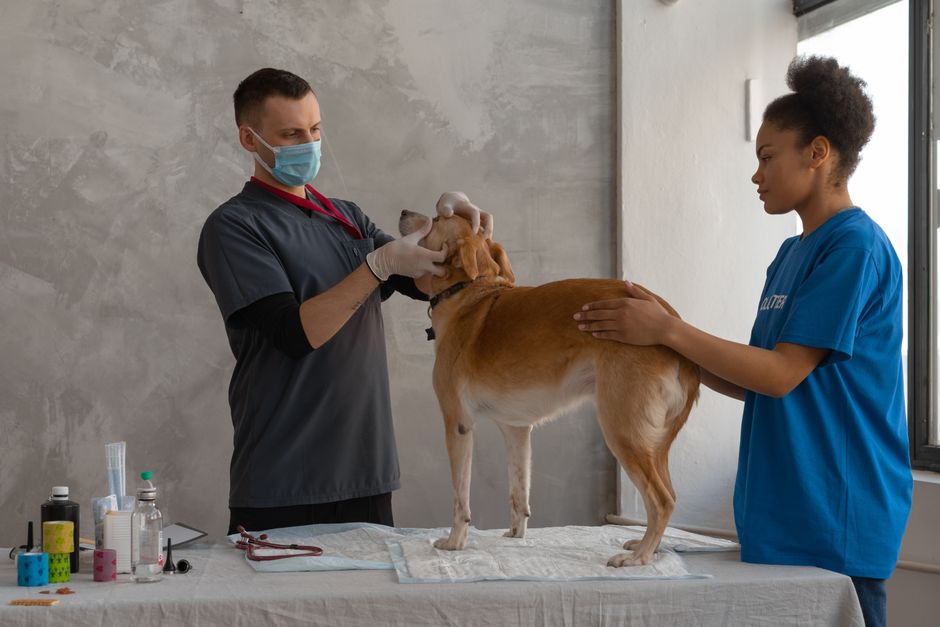
If your pet is suffering from a flea or tick infestation, the first step is a thorough examination by our veterinary team at Sandbridge Veterinary Care. During your visit, our veterinarians will assess your pet’s skin and coat, check for attached ticks, and look for signs of secondary infections or allergies. In some cases, additional diagnostic tests may be recommended to rule out related issues, such as anemia or tick-borne diseases.
Treatment approaches involve a combination of fast-acting medications to kill existing fleas and ticks, as well as ongoing preventive products to halt reinfestation. Topical spot-on treatments, oral medications, and medicated shampoos are often used, depending on your pet’s age, health status, and lifestyle. For pets with secondary skin infections or flea allergy dermatitis, additional therapies such as antibiotics or anti-itch medications may be prescribed. If your pet’s skin appears particularly irritated or infected, our veterinary dermatology services can provide targeted relief and follow-up care.
Environmental management is equally important. Your veterinarian will discuss strategies for cleaning your pet’s bedding, vacuuming carpets and upholstery, and possibly treating your home or yard to eliminate flea eggs and larvae. Don’t forget to check all pets in your household, as even asymptomatic animals may be harboring parasites that could lead to reinfestation.
Prevention at Home: Keeping Fleas and Ticks Off Your Pet
Preventing fleas and ticks is far easier than treating a full-blown infestation. Consistent use of veterinarian-recommended preventives is the most effective way to protect your dog or cat, especially during high-risk months like September. Options include monthly topical treatments, oral chewables, and collars designed to repel or kill fleas and ticks before they bite. Your veterinarian can help you choose the best product based on your pet’s species, age, health, and exposure risk.
Regular grooming and checking your pet’s coat after outdoor activities are simple but powerful habits. Running a fine-toothed flea comb through your pet’s fur, especially around the neck and tail, can help you spot early signs of fleas. For ticks, pay close attention to hidden areas such as between the toes, under collars, and around the ears. Promptly removing any ticks with a proper tool reduces the risk of disease transmission.
Yard maintenance also plays a role. Keeping grass trimmed, removing leaf litter, and discouraging wildlife from entering your property can reduce the number of fleas and ticks in your environment. Washing your pet’s bedding in hot water and vacuuming frequently make it harder for flea eggs and larvae to survive inside your home.
Regular wellness examinations and vaccination services are a valuable part of your prevention plan. During these visits, our veterinarians can review your pet’s parasite prevention regimen and make adjustments as needed, ensuring your pet remains protected all year long.
When to Schedule a Veterinary Visit
Knowing when to seek professional help can make all the difference in keeping your pet healthy and comfortable. If you notice signs of severe itching, hair loss, scabs, pale gums, or find that over-the-counter treatments aren’t controlling the problem, it’s time to schedule an appointment. Pets with pre-existing health conditions, very young or senior animals, or those with signs of illness such as lethargy, fever, or loss of appetite should be seen right away.
If you find a tick attached to your pet and are unsure how long it’s been there, or if your dog or cat develops symptoms like joint pain, limping, or unexplained fever, prompt veterinary care is crucial. Some tick-borne diseases can progress quickly and may require early intervention for the best outcome. If your pet has a history of flea allergy dermatitis or experiences severe skin irritation, our team can provide specialized treatment to relieve discomfort and prevent future outbreaks.
For urgent cases involving severe reactions, sudden weakness, or difficulty breathing, please contact our emergency veterinary care team immediately. Our veterinarians at Sandbridge Veterinary Care are equipped to handle a wide range of parasite-related emergencies and can provide the support your pet needs.
Your Partners in Preventive Care: Sandbridge Veterinary Care in St. Augustine
Protecting your dog or cat from fleas and ticks this September is a team effort, and the veterinary professionals at Sandbridge Veterinary Care are here to help every step of the way. Whether you need guidance on choosing the right prevention product, a thorough skin exam, or urgent care for a sudden outbreak, we’re committed to delivering compassionate, comprehensive services for pets in St. Augustine and surrounding communities.
If you’re searching for a trusted "vet near me," our location at 230 Sandy Creek Parkway, St. Augustine, FL 32095 makes it easy to access the care your pet needs. Schedule an appointment with our veterinary team by calling (904) 901-4030, and let us help your pet enjoy a comfortable, itch-free fall season. For more information about our approach to skin health, explore our veterinary dermatology services or wellness examinations and vaccination services. Your pet’s health and happiness are always our top priorities—let’s keep them protected together.