.png)
Heatstroke Prevention for Pets in St. Augustine Summers
Heatstroke Prevention for Pets in St. Augustine Summers
As the temperatures rise in St. Augustine each May, pet owners often find themselves worrying about how to keep their dogs and cats safe from the sweltering Florida heat. Heatstroke, or heat-related illness, is a real and potentially life-threatening risk for pets in our region, especially during the height of summer. At Sandbridge Veterinary Care, located right here at 230 Sandy Creek Parkway, St. Augustine, FL 32095, our veterinary team wants to help you understand how to spot the warning signs, prevent heatstroke before it starts, and know exactly when your pet needs professional care. In this article, we will explain the symptoms of heatstroke in dogs and cats, discuss why pets are so vulnerable in our climate, offer practical prevention tips for your household, and clarify when it is time to seek veterinary help. If you are looking for trusted advice on keeping your pets healthy all summer long, Sandbridge Veterinary Care is here to support you and your four-legged family members.
Recognizing the Signs of Heatstroke in Pets
Understanding the early signs of heatstroke can make all the difference in protecting your pet’s health. Dogs and cats cannot regulate their body temperature as efficiently as humans can, and what may feel like a tolerable day to us can quickly become dangerous for pets. Key symptoms of heatstroke in pets include excessive panting, drooling, rapid heartbeat, weakness, or staggering. You might also notice that your dog or cat is lethargic, vomiting, or experiencing diarrhea. In more severe cases, pets can collapse, have seizures, or lose consciousness. For example, if you return from a walk and your dog is panting heavily, refusing water, and seems weak or confused, these are red flags that require immediate attention. Cats are often more subtle, but open-mouth breathing or seeking cool, hidden spots can signal distress. Always remember that brachycephalic breeds like Bulldogs, Pugs, and Persians are especially at risk, as are older pets, very young animals, and those with underlying health issues.
Why Heatstroke Happens: Understanding the Risks in St. Augustine
Heatstroke occurs when a pet’s body temperature rises above the normal range, typically due to environmental factors such as high humidity, direct sunlight, or lack of ventilation. In St. Augustine, the combination of hot temperatures and humid air significantly increases the risk. Pets can quickly become overheated during the midday sun, even on days that feel only moderately warm to humans. Dogs and cats primarily cool themselves by panting; however, in humid air, this process is much less effective. Factors that contribute to heatstroke include leaving pets in parked cars, exercising them during the hottest parts of the day, and lack of access to shade or water. Even short periods in a hot car can be fatal, as temperatures can rise dramatically within minutes. Surfaces like asphalt and concrete also retain heat, making walks more hazardous for sensitive paws and further increasing body temperature.
Professional Treatment for Heatstroke: What to Expect at the Veterinary Clinic
If you suspect your pet is suffering from heatstroke, immediate veterinary intervention is critical. Our team at Sandbridge Veterinary Care is equipped to provide rapid assessment and medical support for pets experiencing heat-related illness. When you arrive, our veterinarians will begin by stabilizing your pet’s temperature using cool (not cold) fluids, wet towels, and fans. We may administer intravenous fluids to combat dehydration and support organ function. Blood tests and in-house laboratory diagnostics help us evaluate your pet’s condition and monitor for complications such as kidney damage, clotting disorders, or neurological issues. Some pets may require hospitalization for ongoing monitoring and advanced care. Throughout the process, our veterinary team will keep you informed and involved in every decision. For more information about our emergency capabilities and what to expect, visit our emergency veterinary care page.
Preventing Heatstroke: Practical Tips for St. Augustine Pet Owners
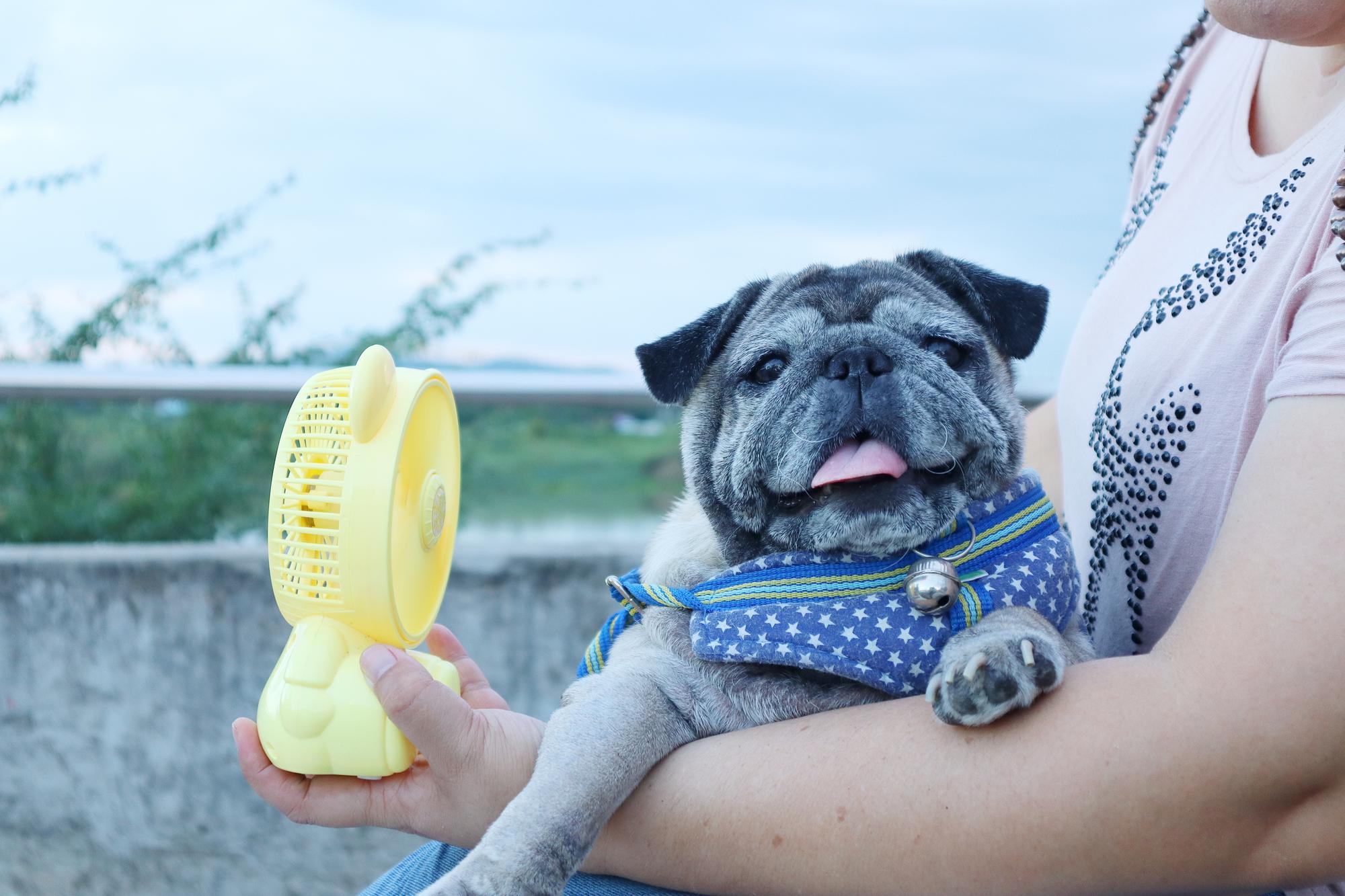
Fortunately, most cases of heatstroke can be prevented with some thoughtful planning and awareness. The most important step is to avoid strenuous exercise or outdoor activities during the hottest parts of the day; morning or evening walks are safest. Always provide your pets with access to fresh, cool water and ensure they have a shady, well-ventilated area to rest. Never leave dogs or cats in parked cars, even with the windows cracked, as temperatures inside can become deadly very quickly. At home, consider using fans, air conditioning, or cooling mats to help pets stay comfortable. Watch for signs of overheating when playing outside, and be especially cautious with flat-faced breeds, senior pets, and animals with chronic health conditions. If you notice any early warning signs, move your pet to a cooler area immediately and offer water while monitoring their behavior. Remember, prevention is always easier and safer than treating heatstroke after it develops.
When to Seek Veterinary Care for Heatstroke
Knowing when to seek veterinary help can save your pet’s life. If your dog or cat exhibits symptoms such as heavy panting, drooling, vomiting, confusion, weakness, or collapse, it is vital to take action without delay. Even if your pet seems to recover after being moved to a cool environment, underlying organ damage can still occur, so a professional evaluation is always recommended after any suspected heatstroke episode. If you are unsure, it is better to err on the side of caution; call us at (904) 901-4030 for immediate advice. Our team can guide you through first aid steps and prepare for your arrival if an urgent visit is needed. For ongoing preventive care and to discuss your pet’s individual risk factors, scheduling a wellness examination is a proactive way to keep your pet healthy all year long.
How Our Veterinary Team Supports Your Pet in the Summer Heat
At Sandbridge Veterinary Care, we believe that education and proactive care are key to keeping your pets safe during the challenging St. Augustine summers. Our full-service veterinary center offers not just emergency care, but also preventive wellness exams, diagnostics, and support for managing chronic health conditions that may increase heatstroke risk. Whether you are a longtime resident or new to the area, our veterinarians are here to provide tailored advice for your pet’s lifestyle and needs.
We are proud to serve St. Augustine and surrounding communities, including Sandy Creek and neighborhoods along County Road 210. If you are searching for a "vet near me" who understands the unique challenges of the Florida climate, look no further than our compassionate veterinary team at 230 Sandy Creek Parkway, St. Augustine, FL 32095.
Take Action: Keep Your Pets Safe from Heatstroke This Summer
Florida summers can be tough, but with a few simple precautions and a strong partnership with your local veterinary professionals, you can help your pets enjoy the season safely. Watch for the warning signs of heatstroke, provide plenty of shade and water, and avoid high-risk situations like hot cars and midday walks. If you ever have concerns about your pet’s health or want to learn more about prevention, our team at Sandbridge Veterinary Care is here to help. Schedule an appointment for a wellness examination, reach out for advice, or call our clinic at (904) 901-4030 for guidance. Your pet’s health and comfort are always our top priorities, and we are committed to helping you protect them from heatstroke and other seasonal risks.
For additional information or to book a visit, contact Sandbridge Veterinary Care today. Our veterinary team looks forward to supporting you and your pets throughout every season in St. Augustine.