How to Keep Your Cat Safe This Halloween
How to Keep Your Cat Safe This Halloween
Halloween in St. Augustine is a season filled with festive decorations, trick-or-treaters, and plenty of excitement. While many families relish the fun, this time of year can present unique challenges for cat owners concerned about their feline's safety. With unfamiliar noises, tempting treats, and the constant opening and closing of doors, Halloween brings a mix of opportunities for mischief and potential hazards for curious cats. At Sandbridge Veterinary Care, located at 230 Sandy Creek Parkway, St. Augustine, FL 32095, our veterinary team is dedicated to helping pet owners keep their cats calm, healthy, and happy during the spooky season. This guide covers practical tips for preventing escapes, managing stress, making smart costume choices, and avoiding dangerous holiday treats, so you and your cat can enjoy Halloween safely.
Recognizing Halloween Dangers for Cats
Before diving into prevention and protection strategies, it's important to understand how Halloween festivities can impact your cat. The holiday brings a flurry of activity, and cats—known for their curiosity and sensitivity to change—can become overwhelmed or find themselves in risky situations. Recognizing the signs that your cat is experiencing Halloween-related stress or may be in danger is the first step toward keeping them safe.
Halloween hazards for cats include increased risk of escaping through open doors, exposure to toxic treats such as chocolate or artificial sweeteners, stress from loud noises and unfamiliar visitors, and the temptation to play with decorations that could be harmful if chewed or ingested. Symptoms of stress in cats may include hiding, excessive grooming, vocalizing more than usual, or a sudden change in appetite. If your cat is unusually jumpy, unwilling to come out from under furniture, or starts having accidents outside the litter box, these may be signs that the festivities are causing anxiety.
Why Halloween Brings Extra Risks for Cats
Halloween traditions are fun for families but can unintentionally create a perfect storm of risks for cats. The constant ringing of the doorbell, unfamiliar costumes, and the steady stream of guests or trick-or-treaters can unsettle even the most laid-back feline. Additionally, temptations such as candy, wrappers, and seasonal decorations within easy reach of a curious cat can quickly lead to trouble.
One of the most common issues during Halloween is accidental escape. With doors frequently opened for trick-or-treaters, it only takes a moment for a cat to slip outside. Cats that are startled by loud noises or unusual activity may bolt and become lost, which is why microchipping is so important. You can learn more about microchipping services to help identify and recover pets if they escape during Halloween festivities on our website.
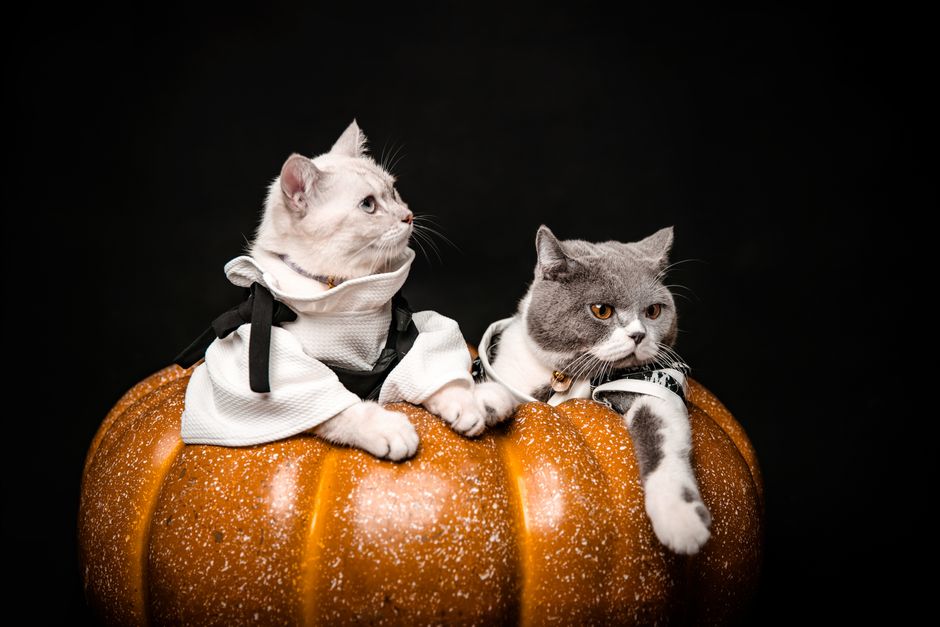
Seasonal décor is another concern, as items like fake cobwebs, string lights, and small trinkets can be irresistible to playful cats. Chewing on or ingesting these items can cause stomach upset, choking, or even intestinal blockage. Costumes, although adorable, may cause distress if they are not properly fitted or if your cat is not accustomed to wearing clothing.
How Sandbridge Veterinary Care Protects Your Cat
At Sandbridge Veterinary Care, we take a comprehensive approach to your cat’s safety and well-being, especially during holidays like Halloween. Our full-service veterinary center in St. Augustine offers everything from wellness examinations and vaccinations to emergency care, microchipping, boarding, and behavioral advice. We understand that every cat is unique, and our veterinarians are here to help you tailor a Halloween safety plan that works for your household.
If your cat is sensitive to noise or changes in their environment, our veterinary team can recommend calming techniques, safe spaces, or even pheromone diffusers to help reduce anxiety. For cats prone to darting outside, we strongly encourage microchipping and making sure your contact information is up to date—this gives you the best chance of a quick reunion if your cat slips out during trick-or-treating hours.
Should your cat accidentally ingest a toxic treat or decoration, our emergency veterinary care is available to provide prompt attention. Our diagnostic tools, experienced veterinarians, and compassionate approach ensure your cat receives the care they need—whether it’s a minor scare or a true emergency.
Practical Halloween Safety Tips for Cat Owners
As a cat owner, you play a crucial role in minimizing Halloween risks at home. Start by creating a secure, quiet space for your cat where they can retreat during the evening’s festivities. This could be a bedroom or a cozy area with familiar bedding, food, water, and a litter box. Consider playing soft music or white noise to mask the sound of the doorbell or outside activity.
Before the holiday, double-check that your cat’s microchip information is current and that they are wearing a collar with an ID tag, just in case they manage to escape. Remove any potentially dangerous decorations, such as small items that could be swallowed, or string lights that a cat might chew.
When it comes to costumes, only dress your cat if they are comfortable and used to wearing clothing. Costumes should fit properly, allowing your cat to move, breathe, and see easily, without any dangling parts that could be chewed or caught on furniture. If your cat dislikes being dressed up, opt for a festive collar or bandana instead.
Keep all candy and human treats well out of reach. Chocolate, xylitol (found in sugar-free gum and some candies), and certain types of raisins or nuts are toxic to cats. Remind all family members and guests not to feed your cat any holiday treats and to pick up wrappers promptly to prevent accidental ingestion.
When to Seek Veterinary Care for Your Cat
Despite your best efforts, accidents can happen. If you notice your cat has ingested something potentially toxic, such as chocolate or a foreign object, immediate veterinary attention is essential. Symptoms of poisoning or obstruction may include vomiting, drooling, difficulty breathing, lethargy, or sudden changes in behavior. If your cat is showing severe signs of distress, do not wait—contact your veterinarian right away.
Cats that experience extreme stress or anxiety during Halloween may need professional support. If your cat is refusing to eat, hiding for extended periods, or displaying aggressive behavior, a conversation with your veterinarian can help determine the best course of action. Sandbridge Veterinary Care’s veterinary team offers both preventive and urgent medical support for cats in St. Augustine and the surrounding communities, ensuring your feline friend is safe and healthy year-round.
For after-hours emergencies or if you suspect your cat has consumed something harmful, our emergency veterinary care for cats exposed to holiday hazards, toxic treats, injuries, or severe stress is available to provide expert, compassionate care.
Keeping the Halloween Spirit Safe for Your Cat
Halloween can be a joyful time for your family, but with a little planning and awareness, it can also be safe for your cat. Remember, your cat’s well-being depends on your vigilance and the support of a trusted veterinary team in your community. By creating a secure environment, managing stress, keeping dangerous treats and decorations out of reach, and knowing when to seek veterinary care, you can help your cat enjoy the season without worry.
If you have questions about Halloween safety, microchipping, or your cat’s behavior, our team at Sandbridge Veterinary Care is here to help. Schedule a wellness examination or talk with our veterinarians about your concerns—our goal is to keep your cat healthy, calm, and protected, not just during Halloween, but all year long.
For personalized advice or to book an appointment, call us at (904) 901-4030 or visit our team at 230 Sandy Creek Parkway, St. Augustine, FL 32095. When searching for a veterinarian near me, trust Sandbridge Veterinary Care to provide the expertise and genuine care your cat deserves in St. Augustine and the surrounding communities.
Disclaimer: This article is intended for educational purposes only and is not a substitute for professional veterinary advice. If you have concerns about your cat’s health, please contact your veterinarian directly.