.png)
How to Spot Early Signs of Pet Pain

How to Spot Early Signs of Pet Pain: A St. Augustine Pet Owner’s Guide
As a loving pet owner in St. Augustine, you know your furry companion better than anyone. Yet, pets often hide discomfort until their pain becomes severe, making it challenging to spot early warning signs. At Sandbridge Veterinary Care, located at 230 Sandy Creek Parkway, St. Augustine, FL 32095, our team of veterinarians is committed to helping you recognize these subtle signals so your pet can get relief as quickly as possible.
In this guide, we’ll help you understand the most common early signs of pet pain, the underlying reasons your pet may be hurting, and what steps you should take to protect their well-being. We will also discuss when it’s time to schedule an appointment for diagnostics and treatment, ensuring your pet receives the quality vet care they deserve. Whether you’re searching for “pet health symptoms in St. Augustine” or “vet near me,” this resource is designed with your peace of mind in mind. You’ll also discover how regular wellness examinations can play a pivotal role in catching health concerns early, often before pain becomes obvious.
Let’s explore how you can become your pet’s best health advocate by recognizing pain before it escalates.
Recognizing the First Signs of Pet Pain
Subtle Changes in Your Pet’s Behavior
Your pet may not be able to speak, but their body language and behavior can reveal a lot about how they’re feeling. Early signs of pet pain are often subtle and can include changes that are easy to overlook. You might notice your cat hiding more than usual or your dog showing less enthusiasm for walks. Common behavioral clues range from increased restlessness to sudden withdrawal from family activities. Pets in pain may also show less interest in food, display changes in grooming habits, or vocalize more than usual with whimpering, growling, or yowling.
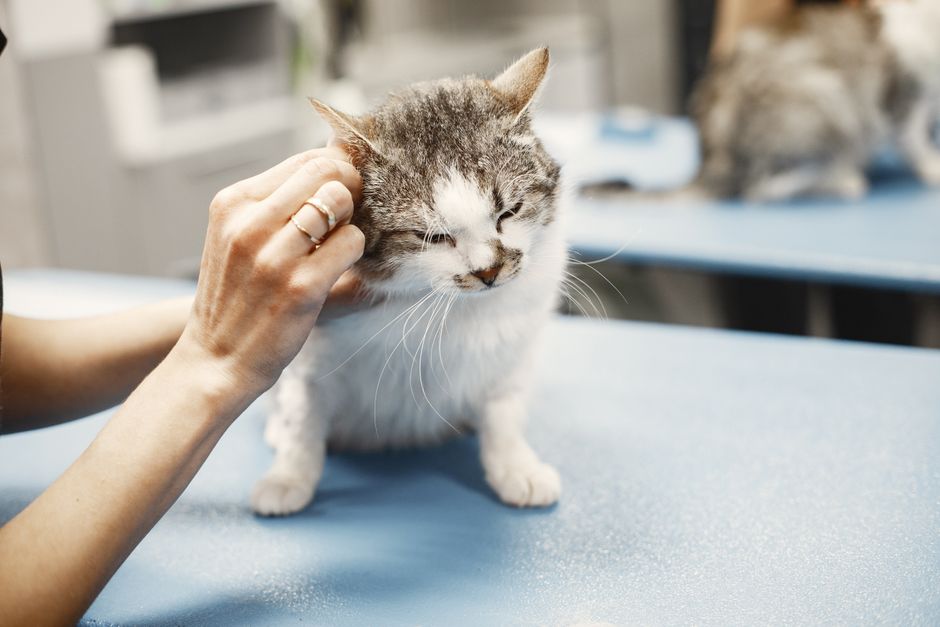
Physical signs are just as telling. Lameness, limping, or favoring one side can be early hints of discomfort. Some pets might struggle to climb stairs, hesitate to jump onto furniture, or show a stiff gait after resting. Watch for subtle facial changes, such as squinting, flattened ears, or a furrowed brow, which can all suggest your pet is experiencing pain. In some cases, you may notice an increase in panting, pacing, or licking a specific area of the body.
It’s important to remember that these symptoms can vary depending on your pet’s age, breed, and individual temperament. What might be normal for one animal could be a sign of distress for another. By paying attention to even minor shifts in your pet’s daily routine, you can help catch problems before they become serious, especially when considering local factors like St. Augustine’s warm climate, which can influence joint discomfort or skin sensitivities.
Why Do Pets Hide Their Pain? Understanding the Causes
Evolutionary Instincts and Medical Factors
Pets, especially cats and dogs, are instinctively driven to hide pain. This behavior has deep evolutionary roots; in the wild, animals that appear vulnerable are more likely to be targeted by predators. As a result, your pet might mask their discomfort until it becomes difficult to ignore. This makes it especially important for owners to be proactive in monitoring for pet health symptoms in St. Augustine.
There are many reasons your pet might be experiencing pain, ranging from acute injuries to chronic conditions. Aging pets often develop arthritis or other degenerative joint diseases that can cause persistent discomfort. Dental disease is another common culprit, especially if your pet’s breath has changed or you notice difficulty chewing. Soft tissue injuries, sprains, or even internal health issues like infections and organ disease can also trigger pain responses.
Environmental factors in St. Augustine, such as seasonal allergies and exposure to parasites, may contribute to skin irritation or secondary infections that result in pain. Overexertion during outdoor play, accidental falls, or encounters with local wildlife can also lead to injuries that aren’t immediately obvious. Recognizing these potential causes is the first step in seeking timely veterinary diagnostics in St. Augustine.
For pet owners in our region, understanding that pain can stem from a variety of sources—including age, dental issues, injury, or underlying medical conditions—will help you take a more active role in your pet’s health. If you ever notice unexplained lameness, swelling, or sudden changes in energy level, it’s time to consider a comprehensive pet diagnostic laboratory service near you to pinpoint the cause.
How Veterinary Professionals Diagnose and Treat Pet Pain
The Role of Modern Diagnostics and Compassionate Care
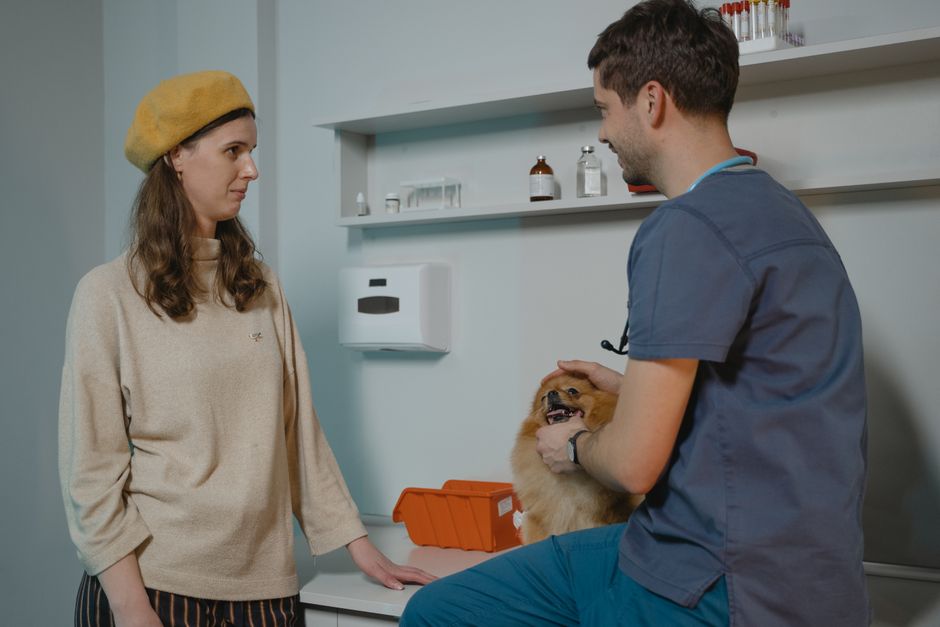
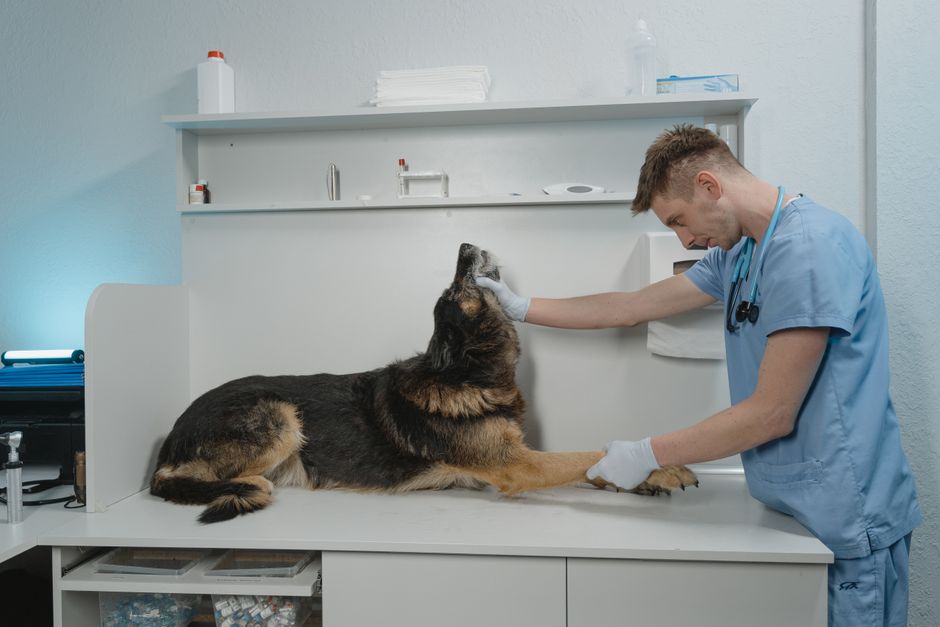
When you bring your pet to Sandbridge Veterinary Care for signs of discomfort, our veterinary team starts with a thorough physical examination. During this visit, we’ll ask detailed questions about your pet’s history and any recent changes you’ve observed. Our approach to pet health symptoms in St. Augustine involves advanced diagnostics, such as digital radiology, bloodwork, and, when necessary, dental evaluations. These tools allow us to identify the underlying issue, whether it’s a fractured tooth, early arthritis, or an internal medical concern.
Treatment options depend on the cause and severity of pain. For joint or muscle pain, we may recommend medications for inflammation, physical therapy, or laser therapy to promote healing. Dental pain is often addressed through professional cleaning, extractions, or oral surgery if needed. In some cases, surgical intervention is required for injuries like fractures or ligament tears.
Chronic conditions such as arthritis are managed through a combination of medication, weight control, and lifestyle adjustments. Our veterinarians will guide you through these decisions with compassion, ensuring your pet’s comfort and quality of life are prioritized at every step. The goal of our veterinary diagnostics in St. Augustine is to provide a clear path to relief and recovery.
Throughout the treatment process, we use the latest medical evidence and technology available at our full-service center, allowing us to tailor the care plan specifically to your pet’s needs. Our team is always available to discuss your concerns and explain each aspect of your pet’s recommended care.
Supporting Your Pet at Home: Prevention and Comfort Measures
Simple Steps to Keep Your Pet Comfortable
While professional veterinary care is essential, there are many ways you can support your pet at home and help prevent pain from developing or worsening. Regular exercise, appropriate for your pet’s age and ability, helps maintain healthy joints and muscles. Maintaining an ideal weight is key to reducing stress on bones and ligaments, particularly in larger breeds or senior pets.
Routine grooming allows you to check for hidden injuries, lumps, or skin issues that could cause discomfort. Dental hygiene at home, such as brushing your pet’s teeth and providing dental treats, can help prevent the buildup of tartar and reduce the risk of painful oral disease. Be alert to environmental changes in St. Augustine, such as seasonal allergens or extreme heat, which can influence your pet’s comfort and activity levels.
Creating a comfortable home environment is also important. Provide soft bedding, easy access to food and water, and minimize the need for your pet to jump or climb if they are experiencing mobility issues. Monitoring your pet’s behavior daily can help you catch new or recurring symptoms early. Remember, prevention starts with awareness and a strong partnership between you and your veterinary team.
When to Schedule an Appointment with Your Veterinarian
Knowing When to Seek Professional Help in St. Augustine
Prompt veterinary attention is crucial whenever you observe sudden or persistent signs of pet pain. If your pet is limping, vocalizing in distress, refusing to eat, or seems unusually withdrawn, it’s time to reach out for expert guidance. Other urgent pet health symptoms in St. Augustine include swelling, open wounds, difficulty breathing, or uncharacteristic aggression. In these cases, do not delay—immediate assessment can prevent complications and speed recovery.
Some symptoms develop gradually, but any change in your pet’s normal routine or demeanor should be discussed with your veterinarian. Scheduling a wellness examination can help identify underlying issues before they progress. If your pet’s pain is related to a recent injury or illness and you are uncertain about the severity, our veterinary team can provide you with the answers and support you need.
Remember, early intervention through timely pet diagnostic laboratory services in St. Augustine can make all the difference in your pet’s prognosis. Our goal is to work closely with you to ensure every pet in St. Augustine and surrounding communities receives quality veterinary services near me.
Take Action for Your Pet’s Comfort: Schedule a Visit at Sandbridge Veterinary Care
Your pet’s comfort and happiness mean everything. By learning to spot the early signs of pet pain, you are taking an important step in protecting their quality of life. Our veterinary professionals at Sandbridge Veterinary Care are here to help with advanced diagnostics, gentle treatment, and ongoing support every step of the way.
If you suspect your pet is experiencing discomfort or you have noticed unexplained changes in their behavior, don’t wait. Schedule an appointment with our team by calling (904) 901-4030 or visiting our St. Augustine location. Whether you are searching for a vet near me or want the best veterinarian in St. Augustine for your pet’s unique needs, we are committed to providing compassionate, comprehensive care.
For peace of mind and a healthier future for your companion, ask us about our wellness examinations and pet diagnostic laboratory services near you. Together, we’ll ensure your pet has the happiest, most comfortable life possible.
This article is intended for informational purposes only and should not replace professional veterinary advice. If your pet is in distress or experiencing acute symptoms, please contact your veterinarian immediately.