November Pet Dental Care Tips for St. Augustine Owners

November Pet Dental Care Tips for St. Augustine Owners
As the cooler breezes of November arrive in St. Augustine, many pet owners shift their focus to seasonal changes in their routines. However, your dog or cat’s dental health remains just as important as ever, no matter the time of year. Dental problems can develop quietly, leading to discomfort and more serious health issues if left untreated. At Sandbridge Veterinary Care, our team in St. Augustine, FL is committed to helping you maintain your pet’s bright, healthy smile throughout every season. This November, we want to empower you with practical dental care tips designed for the needs of pets living in our mild coastal climate.
In this guide, you’ll learn how to spot early signs of dental disease, understand what causes oral health issues in dogs and cats, discover professional treatment options available at our full-service veterinary center, and get actionable advice for maintaining good dental hygiene at home. You’ll also find out when it’s time to schedule a veterinary dental checkup and how our pet dental hygiene and oral care services can make a difference for your pet’s health and comfort.
How to Recognize Dental Problems in Your Pet
Dental disease is one of the most common health concerns affecting both dogs and cats, yet the early warning signs often go unnoticed by even the most attentive pet owners. Recognizing the symptoms of dental trouble early allows you to intervene before minor issues become major problems.
Key signs that your pet may be experiencing dental discomfort include persistent bad breath, which is often the first symptom owners notice. Additionally, watch for red or swollen gums, visible tartar buildup on the teeth, drooling that seems excessive or unusual, and any reluctance to eat, chew toys, or play with treats that once brought joy. Changes in eating habits, such as dropping food from the mouth or chewing on only one side, can also point to oral pain. In more advanced cases, you might notice loose or missing teeth, pawing at the mouth, or even visible bleeding along the gumline.
If you observe any of these changes in your pet, it’s important not to dismiss them as minor. Dental discomfort can significantly impact your dog or cat’s quality of life and may indicate underlying infection or disease that requires veterinary attention.
Understanding the Causes of Dental Disease in Dogs and Cats
Dental disease in pets doesn’t happen overnight. The most common condition affecting our canine and feline companions is periodontal disease, which develops when plaque—a soft, sticky film of bacteria—accumulates on the teeth. If not removed by regular brushing or professional cleaning, plaque hardens into tartar, irritating the gums and creating an environment where bacteria thrive.
Several factors influence the development of dental problems in pets. Diet plays a significant role; pets eating primarily soft or canned foods may be more prone to tartar buildup, as these diets don’t provide the same scraping action as kibble. Genetics also matter, with certain breeds (especially small dogs and some purebred cats) being more susceptible to dental issues. Age increases the risk, since teeth and gum health naturally decline over time. Additionally, pets with underlying health conditions such as diabetes or kidney disease may be at greater risk for oral infections.
St. Augustine’s humidity and mild climate can contribute to year-round bacterial growth, making consistent dental care even more vital for local pets. Without intervention, dental disease can progress to painful infections, tooth loss, and, in severe cases, affect the heart, liver, or kidneys due to bacteria entering the bloodstream.
Professional Dental Care: What to Expect at Sandbridge Veterinary Care
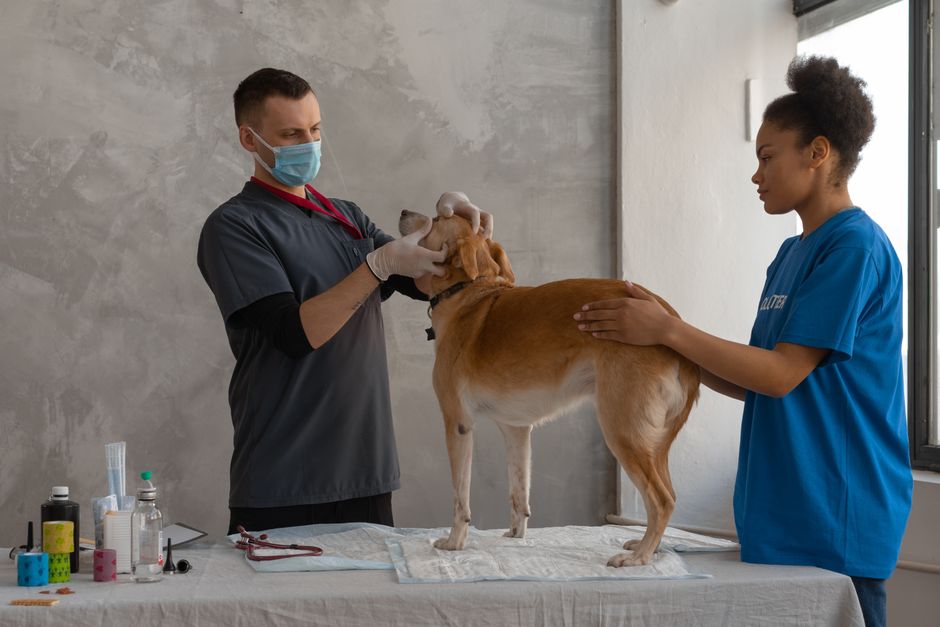
When your pet needs dental attention, our veterinary team at Sandbridge Veterinary Care offers comprehensive solutions tailored to your dog or cat’s specific needs. During a dental checkup, your veterinarian will examine your pet’s mouth, teeth, and gums, looking for signs of disease, damage, or infection. We may recommend dental radiography to get a detailed view beneath the gumline, allowing us to identify hidden problems such as root abscesses or bone loss.
Professional dental cleanings are performed under anesthesia to ensure your pet’s safety and comfort. This allows us to thoroughly remove plaque and tartar from all tooth surfaces, including those below the gumline, where bacteria can cause the most harm. If diseased or damaged teeth are found, our veterinarians may recommend additional procedures, such as pet tooth extractions or more advanced oral surgery when necessary.
Our practice also offers preventative dental care plans, helping you schedule routine cleanings and assessments to stay ahead of potential problems. The goal is always to restore comfort, protect your pet’s overall health, and keep their smile shining bright.
Home Dental Care: Steps for Healthy Teeth and Gums
While professional veterinary cleanings are essential, what you do at home every day has the greatest impact on your pet’s dental health. Brushing your dog or cat’s teeth regularly with a pet-safe toothpaste is the single most effective way to prevent plaque buildup. Even brushing a few times a week can make a significant difference.
If brushing isn’t possible, dental diets and treats approved by the Veterinary Oral Health Council (VOHC) can help control plaque and tartar. Look for products designed to promote chewing and mechanical cleaning. Adding dental water additives or oral rinses can offer additional support, but these should not replace brushing or professional care.
Maintaining a consistent oral hygiene routine at home also means monitoring your pet’s mouth for changes. Gently lift the lips to check for tartar, redness, or swelling, and take note of any changes in breath odor. Establishing these habits early makes future dental care easier and less stressful for both you and your pet.
When to Schedule a Veterinary Dental Visit
Knowing when to seek professional help is crucial for protecting your pet’s health. If you notice any signs of dental discomfort—such as persistent bad breath, inflamed gums, loose teeth, or difficulty eating—reach out to your veterinarian promptly. Dental disease can progress quickly, leading to pain and complications if not addressed.
Even if your pet seems comfortable, regular dental checkups are recommended at least once a year, especially for senior pets or those with previous oral problems. These visits allow our team to catch issues early and tailor preventive care plans that fit your pet’s unique needs. If you are unsure whether your dog or cat needs a dental evaluation, our veterinarians at Sandbridge Veterinary Care are always happy to answer your questions and help you decide on the best next steps.
If your pet requires a dental procedure, such as a cleaning, extraction, or pet oral surgery, you can expect compassionate care from our experienced veterinary professionals, with safety and comfort as our top priorities.
Keeping Your Pet’s Smile Bright in St. Augustine and Beyond
A healthy mouth is the foundation of a happy, active life for your dog or cat. By staying vigilant for early signs of dental disease, understanding the causes, and following a home care routine, you can protect your pet from unnecessary pain and costly procedures down the road. In St. Augustine’s climate, year-round dental care is especially important, as humidity can accelerate tartar and bacteria growth.
If you are searching for a trusted "vet near me" for dental checkups, cleanings, or advanced oral care, Sandbridge Veterinary Care is here to help. Our comprehensive services, compassionate veterinary team, and convenient location make it easy to prioritize your pet’s dental health. To schedule an appointment or learn more about our pet dental hygiene and oral care services, call us at (904) 901-4030 or visit us at 230 Sandy Creek Parkway, St. Augustine, FL 32095.
Your pet’s comfort and wellbeing are always our top priority, and we look forward to supporting you in keeping those tails wagging and purrs rumbling all year long. For additional resources on pet dental health, you can also explore reputable sites like the American Veterinary Dental College. If you have questions or concerns, don’t hesitate to reach out—our team is here for you and your pet every step of the way.