.png)
Protecting Your Cat From Heat and Humidity in September
Protecting Your Cat From Heat and Humidity in September
As September unfolds in St. Augustine, pet owners often find themselves facing a unique set of challenges. The combination of lingering summer heat and heavy humidity can make this season uncomfortable for people—and potentially dangerous for cats. Whether your feline friend prefers basking in sunny windows or exploring screened porches, the risks of heat stress and humidity-related skin issues are real concerns during this time of year. At Sandbridge Veterinary Care, our team in St. Augustine is dedicated to helping you keep your cat cool, comfortable, and healthy, no matter what September weather brings.
In this blog, we’ll explain how to recognize early signs of heat stress and skin problems in cats, explore why these issues become more common during hot, humid months, and provide actionable tips for prevention and care. You’ll learn when it’s time to seek veterinary attention and how our full-service center can support your cat’s wellbeing through every season. If you’re worried about your cat during the heat of September, you’re not alone—read on for practical advice and peace of mind from our experienced veterinary team.
Recognizing Signs of Heat Stress and Humidity-Related Skin Issues in Cats
Cats are masters at hiding discomfort, making it especially important for pet owners to notice subtle changes that could signal trouble. Symptoms of heat stress in cats include rapid or open-mouth breathing, lethargy, drooling, red or pale gums, vomiting, and a noticeable reluctance to move around. You might also observe that your cat seeks out cooler surfaces, spends more time stretched out, or avoids sunlit areas altogether.
Humidity brings its own set of concerns. Signs of skin problems related to damp weather include increased scratching or grooming, the appearance of small scabs or sores, redness or swelling on the skin, and a greasy or matted coat. In some cases, you may notice an unpleasant odor coming from your cat’s fur or skin. Skin irritation caused by humidity may also lead to hotspots, fungal infections, or an uptick in flea or mite activity. If your cat’s behavior changes or you see patches of missing fur, these may be clues that something more than summer laziness is at play.
It’s important to remember that even indoor cats are not immune to these issues. Central air conditioning and dehumidifiers help, but high humidity can still affect cats who spend their days inside. Keeping a close eye on your cat’s grooming habits, appetite, and overall energy level is key to catching problems early.
Why Heat and Humidity Are Risky for Cats in St. Augustine
St. Augustine’s September weather is defined by high temperatures and frequent rain, creating an environment that’s both hot and humid. This combination poses particular risks for cats, whose bodies are not as efficient at cooling down as those of dogs or people. Cats rely mostly on grooming and limited sweat glands in their paw pads to regulate body temperature, which means they are especially vulnerable to overheating when the air is thick with moisture.
Humidity does more than just make the air feel heavy; it creates ideal conditions for the growth of bacteria, fungi, and parasites. When your cat’s skin stays damp for extended periods, natural defenses can weaken, making it easier for infections and skin irritations to develop. Long-haired breeds, overweight cats, and those with pre-existing health conditions are at even greater risk.
The local climate also means that fleas, mites, and mosquitoes remain active later into the year. These pests thrive in warm, humid conditions, increasing the chances of bites, allergic reactions, and secondary skin infections. Even a cat that spends most of its time indoors can be exposed to these threats, especially if windows are left open or other pets come inside after being outdoors.
How Sandbridge Veterinary Care Can Help: Professional Treatment and Support
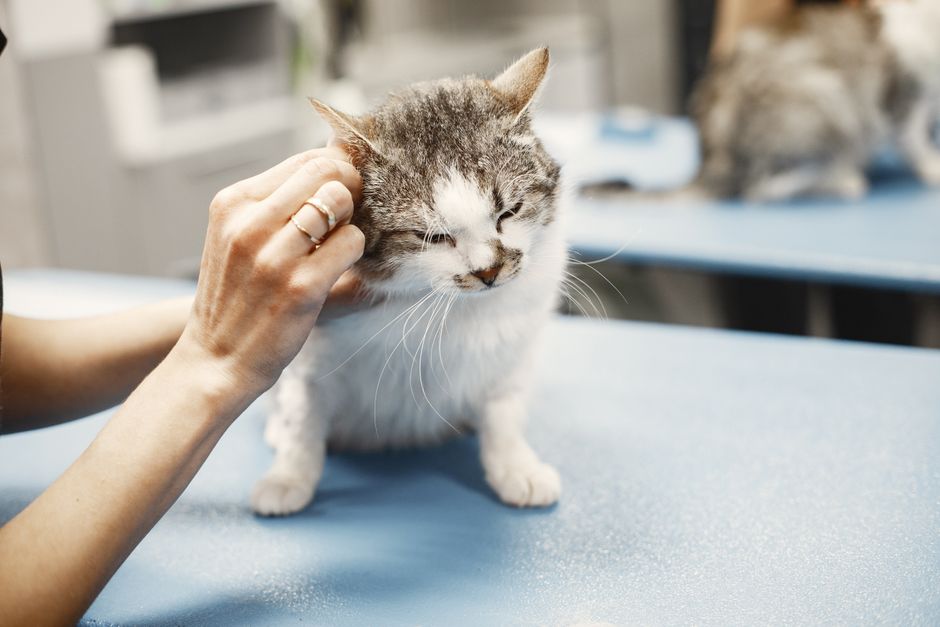
If you notice signs of heat stress or skin issues in your cat, timely veterinary care is essential. At Sandbridge Veterinary Care, our veterinary dermatology services are designed to address a wide range of skin concerns, from mild irritation to complex allergic reactions and infections. Our veterinary team uses advanced diagnostic tools to identify the underlying cause of your cat’s discomfort, whether it’s related to humidity, parasites, or other factors.
For heat stress, our veterinarians will assess your cat’s hydration, check for signs of organ stress, and provide supportive care such as intravenous fluids, cooling measures, and medications as needed. Cats experiencing severe symptoms may require immediate attention to prevent complications like heatstroke, which can be life-threatening if not treated promptly.
Skin issues are approached with a combination of diagnostic testing and targeted treatment. We may recommend allergy testing for pets if environmental or food allergies are suspected, or prescribe topical and oral medications to resolve infections and reduce inflammation. Our team also offers advice on managing chronic skin conditions, helping you create a comfortable home environment for your cat throughout the humid season.
If your cat’s symptoms appear suddenly or worsen quickly, our emergency veterinary care is available during clinic hours to provide urgent support. Our veterinarians are equipped to handle everything from heat exhaustion to severe allergic reactions, ensuring your cat receives the care they need when it matters most.
Home Care and Prevention: Keeping Your Cat Safe and Comfortable
Taking proactive steps at home can go a long way toward protecting your cat from heat and humidity-related problems. Providing constant access to fresh, cool water is essential; many cats drink more if you offer multiple water bowls or use a pet water fountain. Encourage your cat to stay indoors during the hottest parts of the day, typically from late morning through midafternoon, and make sure favorite resting spots are away from sunny windows.
Air conditioning is your best ally against the St. Augustine heat, but if that’s not available, fans and dehumidifiers can help maintain a comfortable indoor environment. Grooming is especially important during humid months. Regular brushing removes excess fur and helps prevent mats, which can trap moisture and increase the risk of skin infections. If your cat’s coat becomes tangled or matted, professional pet grooming services can make a big difference in keeping skin healthy and comfortable.
Flea and tick prevention should remain a top priority, as these pests are more active in warm, damp conditions. Discuss safe, effective options with your veterinarian to ensure your cat is protected. Monitor your cat’s skin and coat regularly for any changes, such as redness, bumps, or unusual odors, and address these issues promptly.
Environmental enrichment can also help reduce stress, which plays a role in skin health. Offer shaded spots, elevated perches, and cool tiles for your cat to enjoy, and try to maintain a consistent routine. For cats who love screened porches or sunrooms, consider using fans or cooling mats to keep these spaces comfortable.
When to Seek Veterinary Attention
Knowing when to call your veterinarian can mean the difference between a minor issue and a serious health crisis. If your cat exhibits signs of heat stress such as rapid or labored breathing, weakness, drooling, or collapse, seek veterinary care immediately. Similarly, if you notice persistent scratching, hair loss, open sores, or swelling that does not improve within a day or two, it’s time to schedule an appointment.
Cats with underlying health conditions, such as heart or respiratory problems, are especially vulnerable during periods of high heat and humidity. If your cat has a history of skin allergies or has struggled with hot spots or infections in the past, early veterinary intervention is especially important. Our wellness examination services can help detect problems early and keep your cat on the path to good health year-round.
Never attempt to treat severe heatstroke or serious skin infections at home. Delaying care can have serious consequences for your cat’s wellbeing. The veterinary team at Sandbridge Veterinary Care is always here to answer your questions, offer guidance, and provide the medical support your cat needs when the weather puts their health at risk.
Supporting Your Cat’s Health in St. Augustine’s September Heat
As the September heat and humidity persist in St. Augustine and surrounding communities, taking a proactive approach to your cat’s wellbeing is more important than ever. Recognizing early signs of trouble, maintaining a cool and clean home environment, and seeking veterinary advice at the first sign of distress are the best ways to keep your feline family member safe and comfortable.
Whether you need help managing a skin problem, want advice on grooming or flea prevention, or are concerned about heat stress, our veterinary professionals at Sandbridge Veterinary Care are here to support you. To schedule an appointment or discuss your cat’s needs, call us at (904) 901-4030 or visit us at 230 Sandy Creek Parkway, St. Augustine, FL 32095. If you’re searching for a trusted vet near me, look no further than our compassionate, full-service veterinary center. Together, we can help your cat thrive through every season and every challenge St. Augustine’s weather brings.