.png)
Spring Pet Allergies: Signs, Relief, and When to See the Vet

Spring Pet Allergies: Signs, Relief, and When to See the Vet
As spring arrives in St. Augustine, many pet owners notice their dogs and cats scratching, sneezing, or licking more than usual. Just like people, our pets can experience seasonal allergies that make them uncomfortable and, at times, miserable. At Sandbridge Veterinary Care, we understand how frustrating it can be to see your pet suffering from itchy skin or watery eyes. Our veterinary team at 230 Sandy Creek Parkway, St. Augustine, FL 32095 is here to help you recognize the signs of spring pet allergies, offer safe relief strategies, and guide you on when it’s time to schedule an appointment for professional care.
In this blog, you’ll learn how to identify allergic symptoms in your pet, understand what causes these reactions, explore both at-home and veterinary treatment options, and discover preventive steps to keep your furry companion comfortable. We’ll also discuss when a visit to the veterinarian becomes necessary and how Sandbridge Veterinary Care supports pet families throughout St. Augustine and surrounding communities during allergy season.
Recognizing the Signs of Spring Allergies in Pets
If your dog or cat seems more uncomfortable as the weather warms up, allergies might be to blame. Seasonal allergies in pets most often cause skin irritation but can also affect the eyes, ears, and respiratory system. Key symptoms include persistent scratching, licking, or chewing at the paws, belly, or tail area. You might also notice red, inflamed skin, frequent head shaking, or recurring ear infections. Pets with allergies can develop watery eyes, runny noses, or sneezing fits, especially during high pollen days. Occasionally, dogs and cats may lose fur in irritated areas or develop hot spots—painful sores that result from constant licking or biting.
Cats sometimes show more subtle signs, such as excessive grooming or small scabs on the skin. Dogs may be more obvious, scratching or rolling on the carpet for relief. If you spot any of these behaviors appearing with the arrival of spring, it is wise to consider seasonal allergies as a potential cause.
What Causes Spring Allergies in Dogs and Cats?
Spring in Florida brings a surge of blooming plants, grasses, and trees. While this creates a beautiful landscape, it also means an abundance of pollen and other environmental allergens. Dogs and cats can develop sensitivities to pollen from oak, pine, and grasses, all common in St. Augustine. Additionally, mold spores, dust mites, and even flea bites may trigger allergic reactions, with symptoms worsening as temperatures and humidity rise.
Unlike people, who typically experience sneezing and watery eyes as their main symptoms, pets tend to show allergic reactions through their skin. This is due to differences in how their immune systems respond to environmental allergens. When your pet inhales or comes into contact with pollen or other triggers, their immune system releases histamines, leading to itching, redness, and inflammation.
In addition to pollen, spring also means more time outdoors for many pets. Increased exposure to outdoor allergens, as well as fleas and other insects, can further aggravate sensitive pets during this season. Even indoor pets can be affected, as pollen and mold spores often enter the home through open windows or on clothing and shoes.
Professional Treatment Options for Pet Allergies
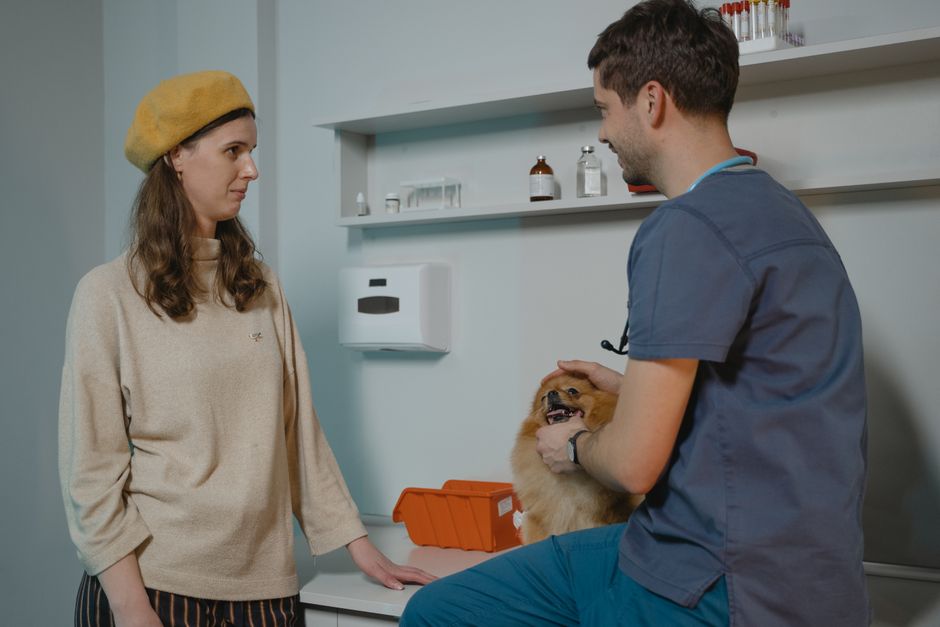
If you suspect your dog or cat is suffering from seasonal allergies, the first step is to schedule a veterinary consultation. At Sandbridge Veterinary Care, our veterinarians begin with a thorough physical examination and may recommend specific diagnostic tests to rule out underlying conditions or infections that can mimic allergy symptoms. For pets with persistent or severe allergies, we offer allergy testing for pets to help pinpoint the exact triggers. Understanding your pet’s unique sensitivities allows our team to create a tailored treatment plan.
Treatment approaches involve several options, depending on the severity and nature of your pet’s symptoms. For mild cases, antihistamines or prescription-strength topical treatments may provide relief. More severe or chronic allergies sometimes require oral medications, medicated shampoos, or even immunotherapy—specialized allergy injections designed to reduce your pet’s sensitivity over time. If secondary infections such as skin or ear infections are present, our team will address these with appropriate antibiotics or antifungal medications.
Many pets also benefit from dermatology services, which include advanced diagnostic tools and targeted therapies for skin-related issues. Throughout treatment, your veterinarian will work closely with you to monitor your pet’s progress and adjust the plan as needed, always aiming for lasting comfort and improved quality of life.
Home Care and Prevention: Keeping Allergic Pets Comfortable
While professional veterinary care is essential for managing moderate to severe allergies, there are several ways you can help your pet at home. Regular bathing with hypoallergenic or medicated shampoos helps remove allergens from your pet’s skin and coat, reducing itching and inflammation. Wiping your pet’s paws and belly with a damp cloth after walks can help prevent pollen from being tracked indoors or left on the skin.
Keeping your home environment clean is another important step. Frequent vacuuming, washing pet bedding, and using air purifiers can minimize indoor allergens such as dust and pollen. Limiting your pet’s outdoor time during peak pollen hours—usually early morning and late afternoon—may also help decrease exposure.
For pets with known flea allergies, maintaining a strict flea prevention program is vital, as even a single bite can trigger an intense allergic reaction. Discuss with your veterinarian which flea preventatives are safest and most effective for your pet’s needs.
Remember that not all over-the-counter remedies are safe for pets. Never give your dog or cat human medications or supplements without first consulting your veterinarian, as some can be toxic or interact poorly with other treatments.
When to Seek Veterinary Care for Pet Allergies
It’s natural to try a few home remedies when your pet first develops mild symptoms, but certain situations call for prompt veterinary attention. You should schedule an appointment at Sandbridge Veterinary Care if your dog or cat experiences symptoms such as persistent or worsening itching, raw or bleeding skin, recurring ear infections, or changes in appetite or behavior. Other red flags include open sores, hot spots that won’t heal, hair loss, or signs of secondary infection like foul odors or discharge.
If your pet is struggling to breathe, experiencing facial swelling, or develops sudden hives, seek immediate veterinary care, as these may indicate a severe allergic reaction. For ongoing issues that don’t resolve with home care, a professional diagnosis and treatment plan will ensure your pet gets the relief they need.
Our veterinary team is always available to discuss your concerns and provide guidance on whether a clinic visit is necessary. Early intervention can prevent complications and help your pet return to enjoying springtime activities.
Ongoing Wellness and Allergy Management
Long-term management of pet allergies often involves regular check-ins with your veterinarian. At Sandbridge Veterinary Care, our team emphasizes the importance of annual wellness examinations to catch early signs of allergies or other health issues. During these visits, we can review your pet's history, update preventive care, and discuss any changes in symptoms.
For pets with chronic or recurring allergies, ongoing monitoring and adjustments to their treatment plan can make a significant difference in comfort and quality of life. Our veterinarians are dedicated to helping your pet live their happiest, healthiest life—season after season.
Finding a Compassionate Vet Near You in St. Augustine
Spring allergies can be a challenge for both pets and their families. Recognizing the signs early, understanding what triggers your pet’s symptoms, and working closely with your veterinary team are key steps to keeping your dog or cat comfortable. At Sandbridge Veterinary Care, we are committed to supporting pet owners in St. Augustine and surrounding communities throughout every season.
If you’re searching for a trusted vet near me, our compassionate team is ready to help. Schedule an appointment by calling (904) 901-4030 or visit us at 230 Sandy Creek Parkway, St. Augustine, FL 32095. Whether you need expert allergy testing for pets, dermatology care, or simply want advice on managing seasonal allergies at home, our veterinary professionals are here for you. Let us help your pet enjoy the beauty of spring in comfort and good health.
Medical Disclaimer: The information in this blog is for educational purposes only and does not replace professional veterinary advice. If your pet is showing signs of illness or significant discomfort, please schedule an appointment with a licensed veterinarian.