.png)
Summer Parasite Prevention for St. Augustine Pets

Summer Parasite Prevention for St. Augustine Pets
As summer settles in across St. Augustine and the surrounding communities, pet owners begin to notice an unwelcome side effect of the season: a rise in pesky parasites. Fleas, ticks, and mosquitoes thrive in Florida’s warm, humid climate, putting dogs and cats at higher risk for itchy skin, irritating bites, and dangerous diseases like heartworm. If you’re worried about keeping your pet safe from summer parasites, you’re not alone. The team at Sandbridge Veterinary Care understands just how challenging parasite prevention can be during these hot months, especially when your pet loves spending time outdoors or lounging in sunbeams at home. In this guide, we’ll walk you through why summer in St. Augustine is prime season for parasites, what early warning signs to watch for in your pet, and how to take the right steps to protect your furry family member all season long. You’ll also learn how our experienced veterinarians at 230 Sandy Creek Parkway, St. Augustine, FL 32095 can help with comprehensive parasite prevention, from regular exams to tailored recommendations for flea, tick, and heartworm control.
Recognizing the Signs of Parasite Problems in Pets
It’s easy to assume that a little scratching is no big deal, but during the summer, even mild itching can hint at something more serious. Parasites like fleas and ticks can be difficult to spot right away, especially in pets with thick or dark fur. Key signs your pet might be dealing with a parasite issue include persistent scratching, biting, or licking at their skin. You may also notice hair loss, scabs, or redness, particularly around the base of the tail, behind the ears, or between the toes. In some cases, you might see tiny black specks (often called "flea dirt") on your pet’s bedding or in their fur, which are actually flea droppings. Ticks can appear as small bumps attached to the skin, sometimes hiding in less visible spots like between the toes or under the collar.
Heartworm disease presents more subtle symptoms, especially in the early stages. Dogs may seem more tired than usual after playtime, develop a lingering cough, or show signs of labored breathing. Cats can be trickier, as they may not display obvious symptoms, but sudden coughing or unexplained weight loss can be red flags. Since many parasite-related problems overlap with other health issues, it’s important to schedule a veterinary examination if you notice any of these changes.
Why Summer in St. Augustine Increases Parasite Risks
St. Augustine’s mix of high temperatures and abundant humidity creates the perfect breeding ground for fleas, ticks, and mosquitoes. These parasites become more active as the weather heats up, and their life cycles accelerate, meaning infestations can develop rapidly. Fleas thrive in shaded, moist areas of your yard, while ticks can be picked up on neighborhood walks, trips to dog parks, or even your own backyard. Mosquitoes, which transmit heartworm larvae, are a constant presence near standing water and are most active from dusk to dawn.
Pets that spend more time outdoors in the summer are naturally more exposed, but indoor-only cats and dogs are not immune. Fleas and mosquitoes can easily hitch a ride into your home on shoes, clothing, or through open doors and windows. It’s also common for pets to interact more with other animals during summer gatherings, doggy daycare, or grooming appointments, increasing the risk of picking up parasites.
How Our Veterinary Team Diagnoses and Treats Summer Parasite Problems
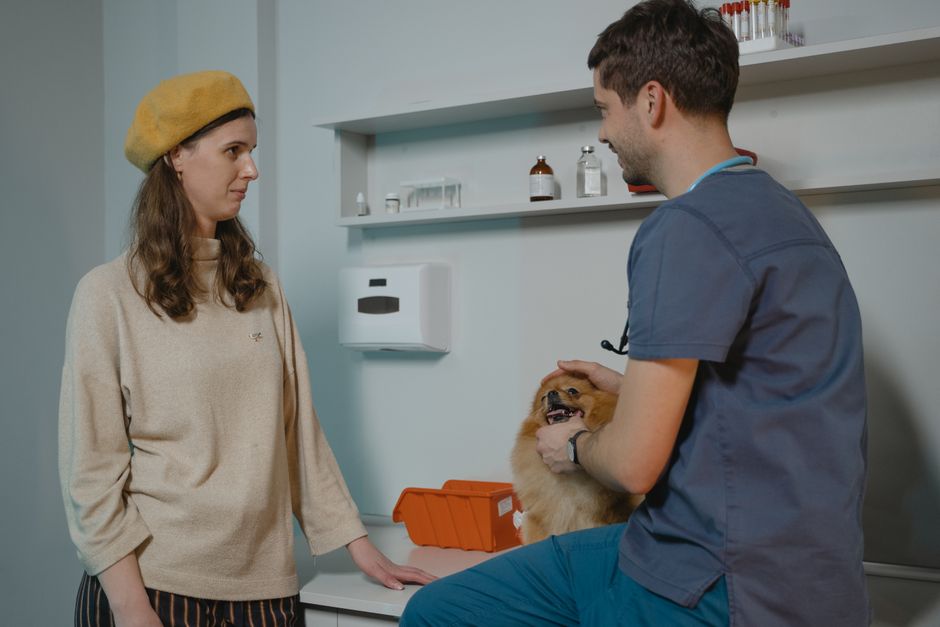
At Sandbridge Veterinary Care, our approach to parasite problems combines thorough diagnostics, targeted treatment, and ongoing support. When you bring your pet in for a summer checkup, our veterinarians will perform a detailed physical examination, looking for any signs of flea, tick, or mosquito-related issues. We may use flea combs, skin scrapings, or magnification to detect tiny pests that are easy to miss at home. For heartworm concerns, we offer heartworm testing for pets right here in our St. Augustine clinic, using a simple blood sample to check for infection before recommending prevention or treatment.
If we discover fleas or ticks, treatment generally involves prescription topical or oral medications designed to kill existing parasites and halt the life cycle. In cases of skin irritation, secondary infections, or allergic reactions, our team can recommend additional therapies, such as medicated shampoos or dermatology services for pet skin health, to soothe your pet’s discomfort and restore healthy skin. For heartworm-positive pets, treatment is more involved and must be tailored to the severity of the disease; our veterinarians will guide you through every step, from diagnostics to aftercare.
Preventing Parasites at Home: Steps for a Safer Summer
While professional veterinary support is crucial, there are important steps you can take at home to minimize the risk of parasites taking hold. Consistent use of veterinarian-recommended flea, tick, and heartworm preventives is the most effective way to keep your pet protected year-round. These products are available as chewables, topicals, or collars, and your veterinarian can help you select the right option for your dog or cat based on their age, health status, and lifestyle.
Maintaining a clean home environment is equally important. Wash your pet’s bedding frequently, vacuum carpets and upholstery to remove flea eggs and larvae, and keep your yard trimmed to reduce shaded, damp areas where parasites thrive. Check your pet regularly for signs of fleas or ticks, especially after walks or outdoor play. For cats, be mindful of window screens and doors that might allow mosquitoes inside, and consider keeping them indoors during peak mosquito hours.
Regular checkups at Sandbridge Veterinary Care also play a key role in prevention. During a vaccination and examination appointment, our team can assess your pet’s risk factors, review their current preventive regimen, and adjust recommendations as needed for the summer season. We keep up with the latest parasite trends in St. Augustine, ensuring your pet’s plan is tailored to local conditions.
When to Schedule a Veterinary Visit for Parasite Concerns
If you notice persistent scratching, hair loss, visible fleas or ticks, or any sign of skin irritation, it’s time to schedule an appointment with your veterinarian. Sudden lethargy, coughing, difficulty breathing, or unexplained weight loss may suggest heartworm disease or another serious health issue requiring prompt evaluation. Even if your pet appears healthy, missing a dose of heartworm or flea preventive can leave them vulnerable; checking in with your veterinary team can help you get back on track and address any lapses in protection.
For new pets or those who travel frequently, a preventive care visit is especially important. Puppies and kittens are more susceptible to severe infestations and complications, so early intervention is key. Remember, many over-the-counter parasite products can be less effective or even unsafe for certain pets, making veterinary guidance essential for choosing the safest, most effective treatment.
Our veterinary professionals at Sandbridge Veterinary Care serve not only St. Augustine but also nearby communities, providing compassionate, comprehensive care for pets throughout the region. We’re here to answer your questions, ease your worries, and help your pet enjoy a healthier, happier summer.
Keeping St. Augustine Pets Safe: Your Local Partner in Parasite Prevention
Summer parasite prevention is an essential part of keeping your dog or cat comfortable and healthy in St. Augustine’s unique climate. By staying alert to early warning signs, using proven preventive products, and working closely with your veterinary team, you can dramatically reduce the risk of fleas, ticks, and heartworm disease for your pet. If you have questions about the best parasite prevention plan for your dog or cat, or if you’re searching for a veterinarian near me who truly understands local risks, Sandbridge Veterinary Care is here to help.
Give our team of veterinarians a call at (904) 901-4030 or visit us at 230 Sandy Creek Parkway, St. Augustine, FL 32095 to schedule your pet’s summer checkup. We welcome new and returning clients from St. Augustine and surrounding communities, and we’re dedicated to making parasite prevention as easy and effective as possible for your family. For more information on heartworm testing, explore our dedicated service page, or book a vaccination and examination to keep your pet protected all season long.
Together, let’s make this a safe, scratch-free summer for your pets.