.png)
Understanding ACL Repair Surgery for Active Pets
Understanding ACL Repair Surgery for Active Pets
Is your playful dog suddenly hopping on three legs or refusing to chase after their favorite toy? For active pets in St. Augustine, an unexpected limp or reluctance to move can be distressing for both pet and owner. At Sandbridge Veterinary Care, located at 230 Sandy Creek Parkway, St. Augustine, FL 32095, we understand how important mobility and comfort are for your four-legged family members. ACL injuries in dogs are a common cause of sudden lameness, particularly among energetic breeds and pets who love to run, jump, and play.
This guide will help you recognize the signs of ACL injuries, understand why they happen, learn about ACL repair for dogs, and discover how our veterinary team supports your pet’s recovery from start to finish. We’ll also cover important steps for prevention and how our approach to pet surgery in St. Augustine is designed to restore your pet’s quality of life. If you are searching for the best "vet near me" for orthopedic concerns or pet surgery, Sandbridge Veterinary Care offers expert support and compassionate care every step of the way.
To explore more about our orthopedic expertise, you can visit our dedicated Orthopedics services for pets at Sandbridge Veterinary Center page.
Recognizing ACL Injuries in Active Dogs: What to Watch For
Dogs are naturally energetic, and their enthusiasm can sometimes lead to injuries. The ACL, or anterior cruciate ligament, is a crucial stabilizer within your dog’s knee joint. When this ligament is torn or strained, it can dramatically affect your pet’s ability to walk, run, or even stand comfortably. Recognizing an ACL injury early is essential for successful treatment and a full return to activity.
Key symptoms include sudden limping or favoring one hind leg without an obvious wound, difficulty rising after resting, and stiffness or swelling around the knee. You might also notice your dog holding one leg up, bunny-hopping during a walk, or showing decreased interest in play and exercise. Some pets will vocalize in pain or become more withdrawn due to discomfort. In the warm, humid climate of St. Augustine, dogs often stay active year-round, which increases the likelihood of noticing changes in their mobility more quickly.
If your dog is usually active but suddenly appears hesitant to jump onto the couch or avoids stairs, an ACL injury could be to blame. These symptoms are not exclusive to older dogs; younger, athletic pets are also at risk. Ongoing lameness or an unwillingness to put weight on a hind leg are strong indicators that professional assessment is needed.
Why Do ACL Injuries Occur? Understanding the Causes
ACL injuries in dogs are not always the result of a single traumatic event; in fact, many cases develop over time due to repeated stress on the knee joint. Factors contributing to ACL tears include sudden twisting movements, abrupt stops while running, or awkward landings after jumping. Overweight pets are at increased risk because extra weight puts additional strain on their joints. Certain breeds, such as Labradors, Golden Retrievers, and Boxers, appear more prone to ligament injuries due to their genetics, size, and activity levels.
Age and lifestyle also play roles. Middle-aged dogs who remain highly active or those with pre-existing joint issues may be more susceptible. In Florida’s year-long mild weather, dogs often enjoy the outdoors regularly, which can increase wear and tear on their knees. Sometimes, the ligament weakens gradually, and what seems like a minor misstep or slip can result in a significant injury.
It’s important to remember that while you can take steps to reduce risks, some pets will develop ACL problems despite the best preventive measures. Understanding the underlying causes helps you make informed choices about activity levels, weight management, and when to seek advice from a veterinary professional.
How ACL Repair for Dogs Restores Mobility: Treatment Options and What to Expect
When your dog is diagnosed with an ACL tear, surgical repair is often the most effective way to restore their mobility and prevent long-term joint damage. At Sandbridge Veterinary Care, our veterinary team uses advanced surgical techniques tailored to your pet’s size, activity level, and unique needs. Our approach to ACL Repair veterinary surgery services for pets in St. Augustine focuses on both immediate recovery and long-term joint health.
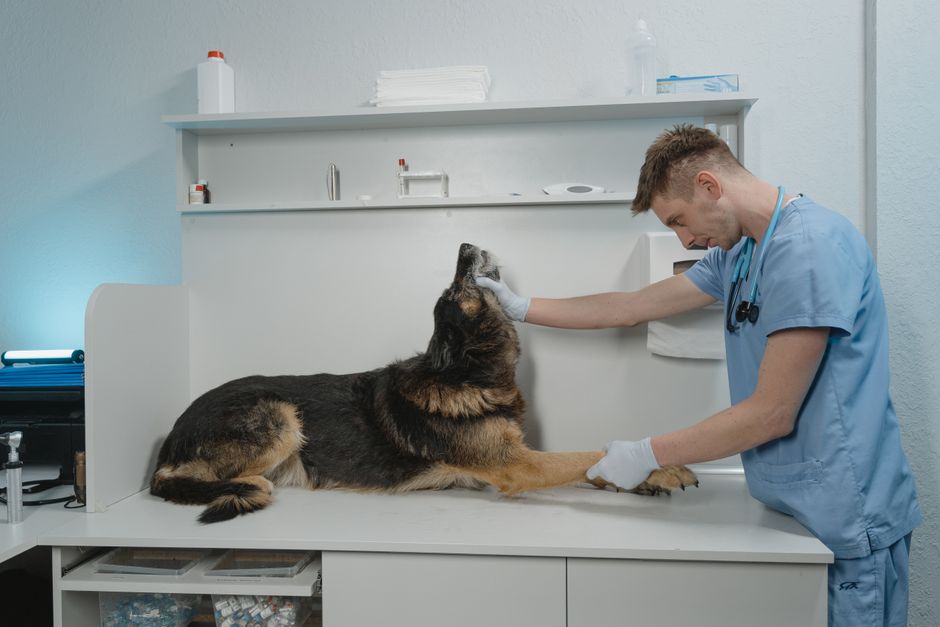
Treatment options involve several surgical methods, but the most common are procedures such as the tibial plateau leveling osteotomy (TPLO) or lateral suture technique. These surgeries stabilize the knee, reduce pain, and allow the ligament to heal properly. Your veterinarian will determine which method is best suited for your pet during a comprehensive evaluation, which may include diagnostic imaging and orthopedic exams.
The typical process for ACL repair for dogs in St. Augustine begins with pre-surgical assessments to ensure your pet is a good candidate for anesthesia and surgery. On the day of the procedure, our veterinary professionals closely monitor your dog’s comfort and safety. After surgery, pain management, physical rehabilitation, and controlled activity are essential components of recovery. Most pets can return home the same day, and you’ll receive detailed instructions for home care and follow-up visits.
Our team’s commitment to advanced pet surgery in St. Augustine means we support your pet at every stage, from diagnosis and treatment to rehabilitation and beyond. We also collaborate with pet owners to address other orthopedic concerns that might arise, including Fractures & Dislocations treatment and surgery options should they be relevant to your dog’s overall health.
Supporting Your Pet’s Recovery: Home Care and Prevention Tips
After ACL repair, home care is crucial for a smooth and successful recovery. Steps include providing a quiet, comfortable space for your dog to rest, restricting jumping or rough play, and following your veterinarian’s instructions regarding medication and rehabilitation exercises. Short, controlled leash walks are often recommended, and your veterinary team will guide you through progressive activity as your pet heals.
Preventing future injuries involves maintaining a healthy weight, as extra pounds can strain healing joints. Regular, low-impact exercise is beneficial, such as leash walking or gentle swimming once your veterinarian gives the green light. Avoiding high-risk activities like sudden sprints or playing on slippery floors can also help protect your dog’s knees. For breeds with a genetic predisposition, routine check-ups allow early detection of joint issues before they become severe.
Your role in your dog’s recovery cannot be overstated. Monitoring for signs of discomfort, swelling, or changes in appetite is vital, and prompt communication with your veterinary team ensures that any setbacks are addressed quickly. Preventive care and ongoing support from your veterinarian are the best ways to keep your active pet moving comfortably for years to come.
When to Seek Veterinary Care: Early Action Makes a Difference
Recognizing the right time to seek veterinary care can make a significant difference in your pet’s recovery from an ACL injury. If you observe persistent limping, sudden loss of mobility, swelling around the knee, or any signs of pain that do not improve within a day or two, it’s important to schedule an appointment with your veterinarian promptly. Delaying care can lead to further joint damage, muscle loss, or the development of arthritis, which may compromise your pet’s long-term mobility.
In some cases, an ACL tear can be accompanied by other injuries or complications. If your dog suddenly cannot stand, cries out in pain, or the limb appears deformed, immediate veterinary assessment is warranted. The experienced veterinary professionals at Sandbridge Veterinary Care are equipped to provide both routine and urgent emergency veterinary care in St. Augustine, ensuring your pet receives the attention they need without delay.
For pet owners searching for "veterinary services near me" or the best approach to ACL repair for dogs in St. Augustine, our team offers comprehensive evaluations, advanced surgical options, and ongoing support tailored to your pet’s lifestyle.
Your Partner for ACL Repair for Dogs in St. Augustine
Returning your pet to their active, happy self is our highest priority at Sandbridge Veterinary Care. Our veterinary team understands the physical and emotional toll an ACL injury can take on both pets and their owners. With advanced orthopedic expertise, a caring approach, and a full-service environment, we are uniquely positioned to guide your pet from injury through recovery and back to play.
If your dog is facing lameness or you have concerns about their mobility, we encourage you to schedule an appointment for a thorough evaluation. Our commitment to being the best "vet near me" means that you and your pet receive the highest standard of pet surgery in St. Augustine, all under one roof. We proudly serve St. Augustine and surrounding communities, providing trusted care when you need it most.
Take the first step towards your pet’s recovery by calling us at (904) 901-4030 or visiting our Orthopedics services for pets at Sandbridge Veterinary Center page to learn more about how we can help. Your pet’s comfort, mobility, and quality of life are our greatest concerns—let us support you every step of the way.
This blog is for informational purposes only and should not replace professional veterinary consultation. If you suspect your pet has a knee injury or any orthopedic concern, please contact your veterinarian for a comprehensive evaluation.